Slide180

During this year, declared by the United Nations as the International Year of Family Farming, in recognition of the importance of family farming in global food security, the goal is to “promote new development policies…that will help smallholder and family farmers eradicate hunger, reduce rural poverty and continue to play a major role in global food security through small-scale, sustainable agricultural production.” It sounds fantastic, but in this moment it is still hard for small farmers to make ends meet, even to apply for subsidies because they are…too small! If one outcome of this declared year of FF is that farmers are given a voice, it will be is a step in the right direction. One such voice was heard last weekend in the New York Times, with the title: “Don’t Let Your Children Grow Up to Be Farmers” (Aug 9, 2014) arguing that while local food is celebrated widely, those who do the work of growing this food are not making any money. This is not the first and only voice expressing this concern, and more so, my own experience has given me a clearer idea of the challenges in sustainable farming, where many farming families have to tap into supporting income sources to make ends meet.

http://www.ifad.org/events/iyff/

http://www.fao.org/docrep/004/y1669e/y1669e0c.htm

Slide81

Slide181

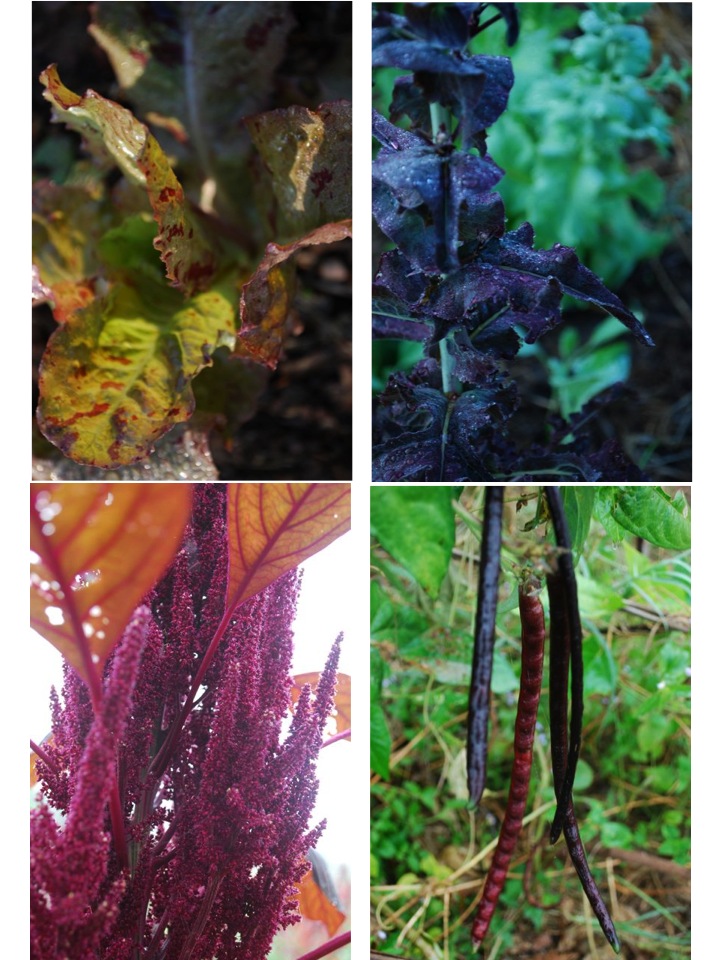
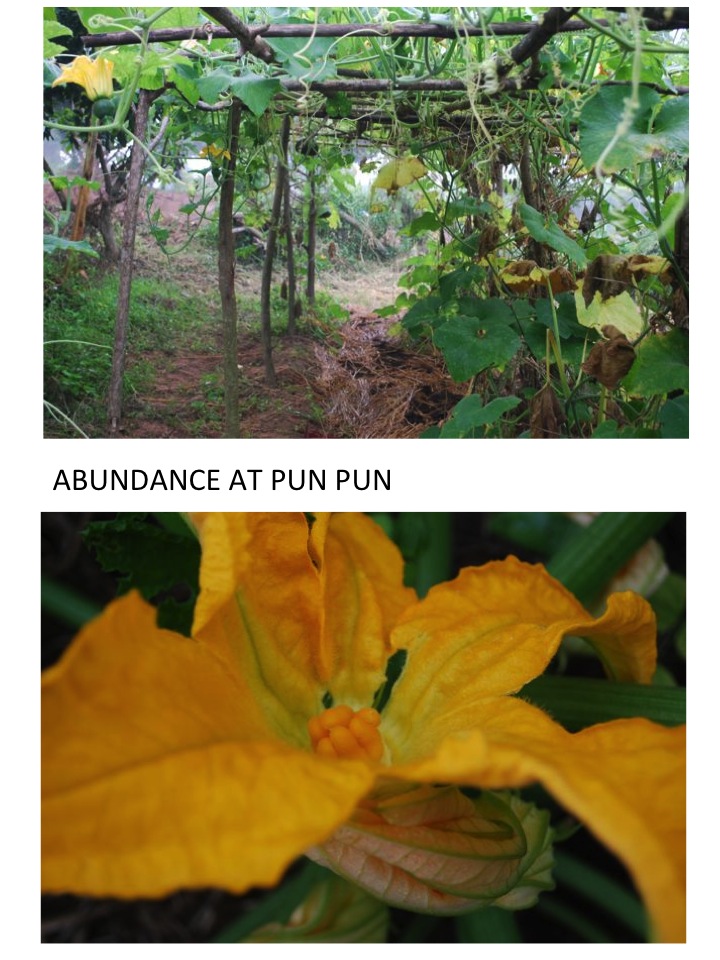
So what is the importance of smallholders and family farming in global food security and should we care? If I have learned one thing by spending time and energy at organic farms is that you enter a DIFFERENT DIMENSION OF TASTE, inspiring of something bigger. The incredible intensity and variety of flavors is something experienced close to the source, and many of the products cannot be entered into the market because of local, regional and international food policies and guidelines. It is this we should be concerned about, the imminent loss of the FLAVOR of this world, now associated with the care and dedication of small scale and family farming, will be gone if this is no longer possible. Food makes the [human] world go round, great tasting food exalts us. Now that is BIG.
Slide182

Slide183

http://www.punpunthailand.org

see also post July 24
Slide199

Slide200

Slide201

Slide202


Slide80

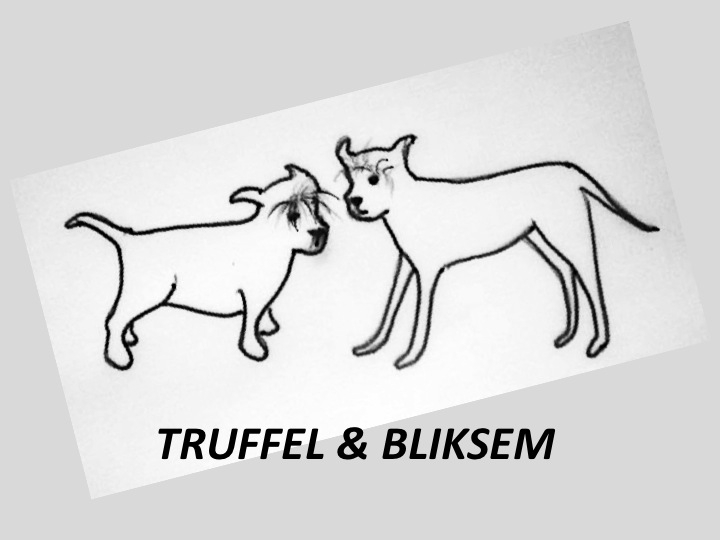
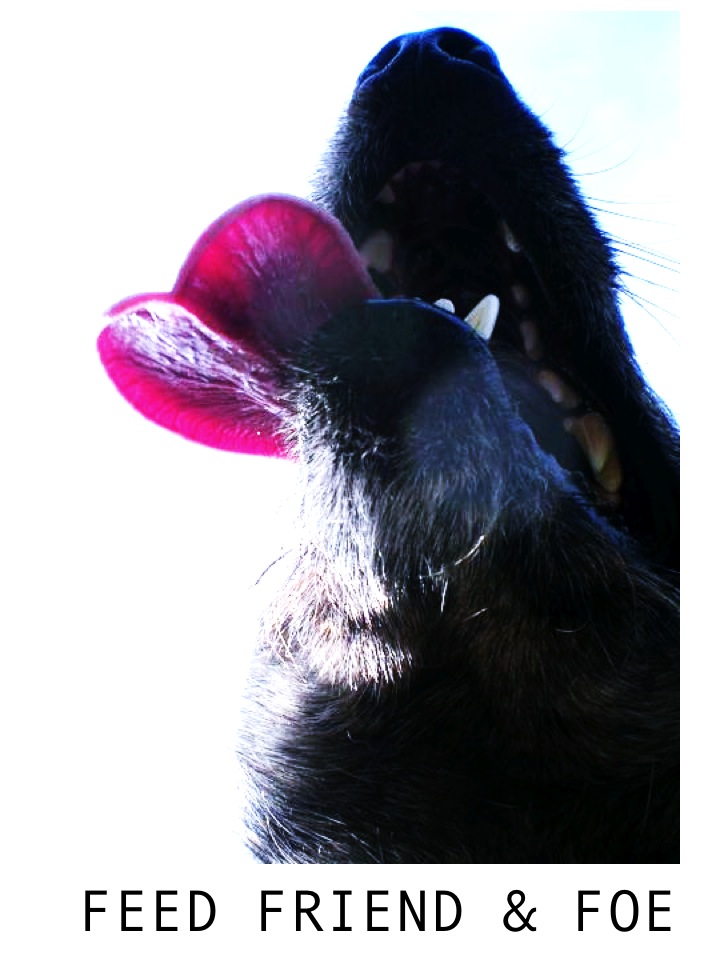
No this is not about some exotic way to unearth precious mushrooms in the Dutch polder land. It is a translation of the names of the two dogs I am currently looking after, Truffel & Bliksem. They are super sweet and funny, and each has a distinct but very different character, behaving together like an old, odd couple.

Animals (and plants) can teach us valuable lessons, at least that is the idea of the fable, in which anthropomorphized animals, plants, and inanimate objects take on human qualities to reflect something back to us. Living with Truffel and Bliksem has been very enjoyable, but also confronting. Like living in an animated fable, they have shown me, and taught me something about myself, especially regarding my recently ended long-time relationship.

When it is time to move on, I will remember Truffel and Bliksem, they will guide me on the road ahead.

Slide78

Slide79

Slide140

Slide141

Visit this website

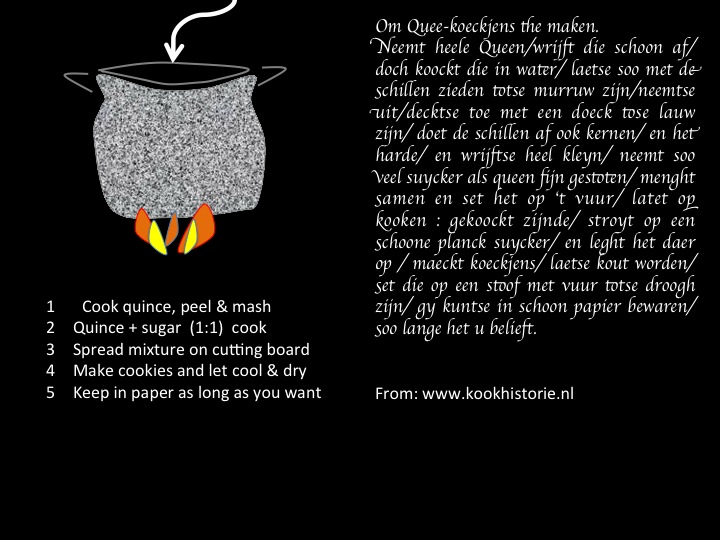
http://www.kookhistorie.nl/

maintained by Marleen Willebrands,  some enjoyable reading and recipes, from De Verstandige Kock (1669), Een notabel boecxken van cokeryen (ca. 1514) and much more…

Slide043

Slide045

Slide044
 

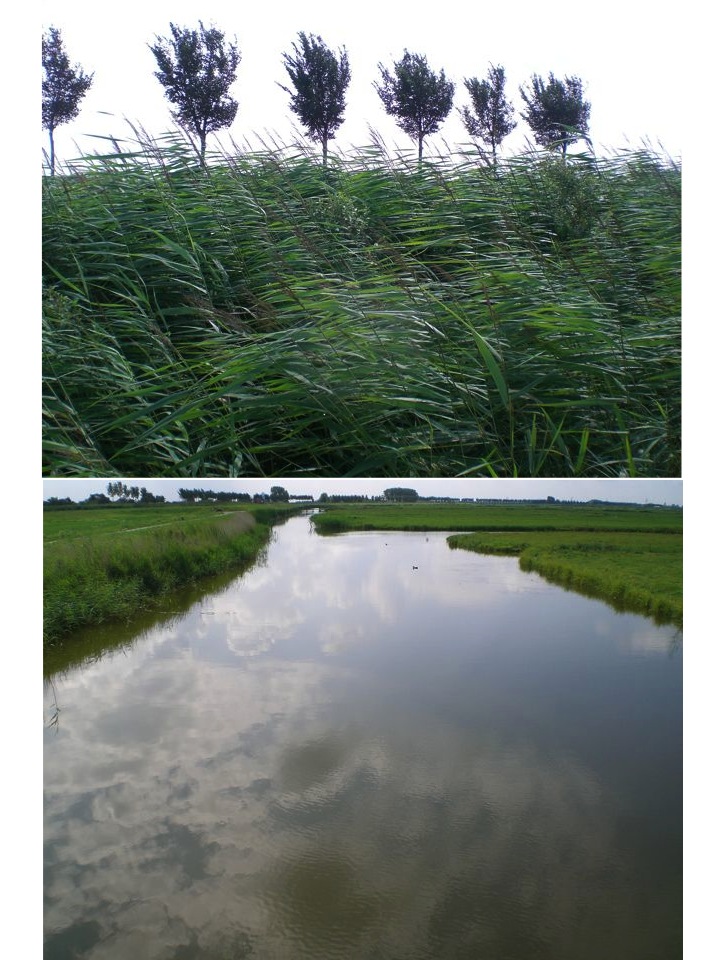
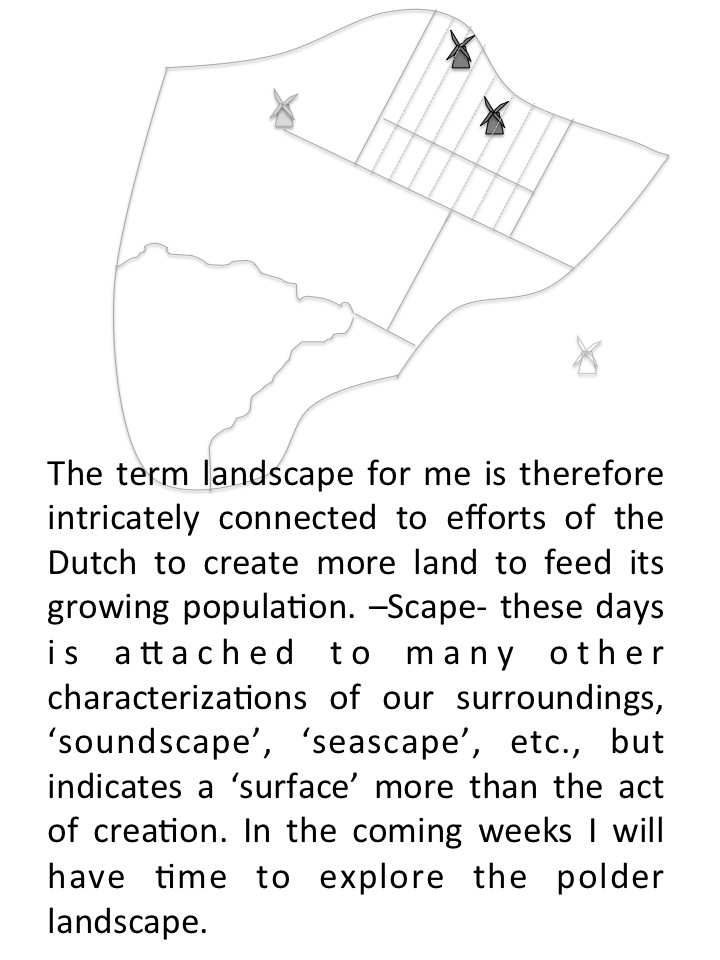
This is a very nice historic village, the main village of what used to be Shermereiland (Schermer island). situated between two lakes, De Schermer and De Beemster. Before it was pumped dry this area used to thrive on whaling. What I learned today is that there is a difference between a polder and a droogmakerij. Given that this region was marshland below sea level, a polder is created when this land is pumped dry. A droogmakerij on the other hand is a lake that is pumped dry, and in this case the land that was thus created by pumping De Schermer and De Beemster, was lower than the surrounding land. All designed and supervised by Leeghwater.

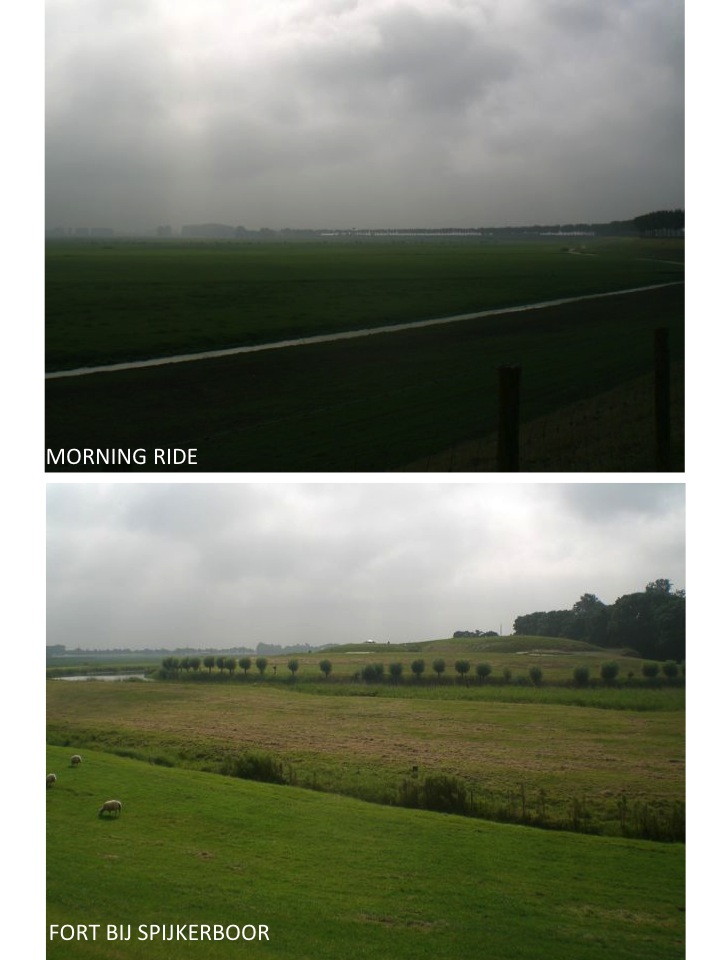
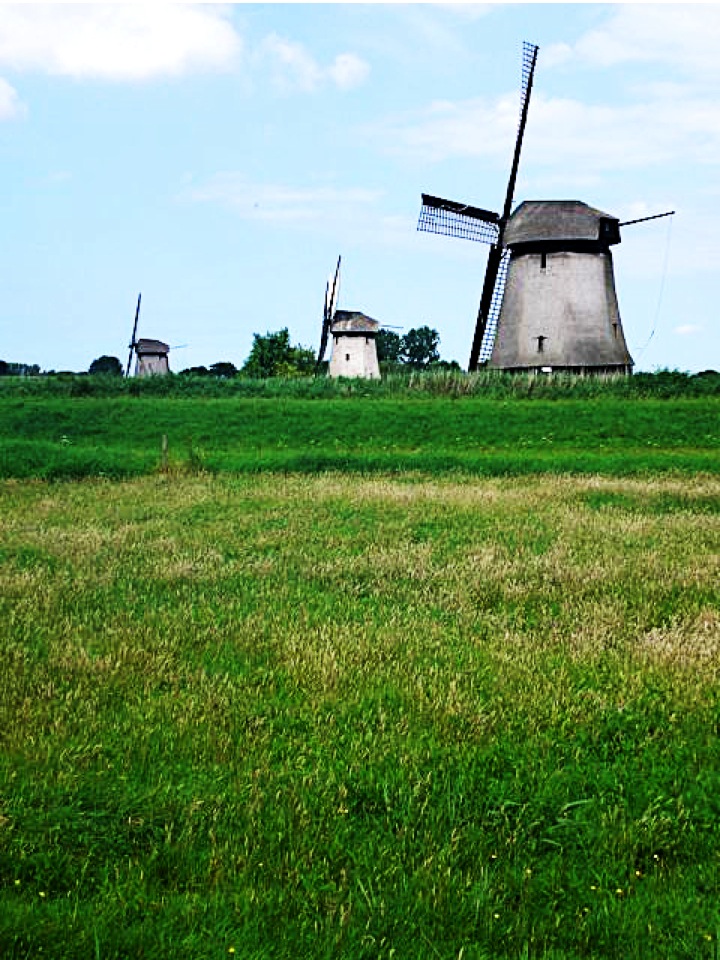
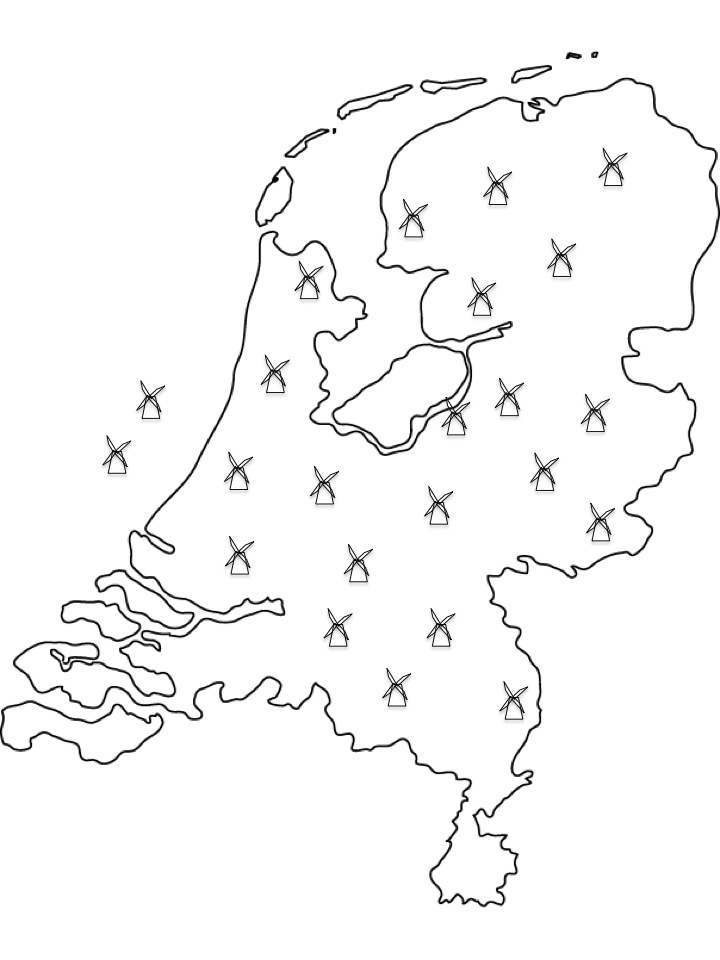
I pick up some maps and information at the local tourist information and plan to run the walking route that circles the former Schermer eiland, renamed as Eilands polder. Running in this land is not the most exciting, but it is green and because very few people are walking, the trails over the dykes are quite nice. When I get FIVE windmills within my Field of View, I start to warm up to Leeghwater’s land, also helped by warmth of the sun.

Slide046

The Dutch are very proud of the geometric design of this land and this is also mentioned as outstanding universal value in the UNESCO description. From an engineering perspective this system of windmills and canals is impressive, however, in the back of my mind I think the Mesoamerican cities served as prototypes or at least inspiration. The Dutch however seem to have appropriated the geometric STIJL as part of their character.

What may be more innovative about this project is how it was funded. Wealthy merchants from Amsterdam invested in this project and after completion each of them received a piece of agricultural lands based on the proportion of their investment, based on proto- crowd funding.

When I get to Schermerhorn I really want some food, but there is no grocery store, no other choice than to keep running. It is not that far, less than 10, but when I get to De Rijp I’m thinking food and fail to watch the uneven bricks in the road, I trip and make a slider. This is not even downhill! Where such thing usually happen. Oh well, story of my life, you fall, get back up, check your wounds, and keep running…. The bike ride back was sunny and dry, with fluffy clouds in the sky.

Slide047


http://whc.unesco.org/en/statesparties/NL/

http://www.landvanleeghwater.nl/

http://www.molendatabase.nl/nederland/


Slide192

Slide77

In this day and age, the Digital Age, many believe that new technologies are instrumental in breaking boundaries, forge different partnerships, and establish new democracies. Although the way we now communicate with each other is revolutionary and changes the way we maintain social relationships, it is not unprecedented. The developments during 16 and 17th centuries were also supported by a revolutionary communication tool, namely the printing press. Beside books and maps, it was also used to print and disseminate propaganda material and pamphlets at scales never possible before.

Benjamin Schmidt, in his book Innocence Abroad: the Dutch Imagination and the New World, 1570-1670, presents an interesting idea regarding the use of such propaganda material. It goes something like this: In these pamphlets, the Dutch appropriate the position of the underdog – namely by identifying with Native Americans – in an effort to stand up to the Spanish (Catholic) domination, the Protestant could act as allies. In doing so, they paved the way for justifying dominance in trade relations with peoples in the Americas, whether peaceful or NOT.

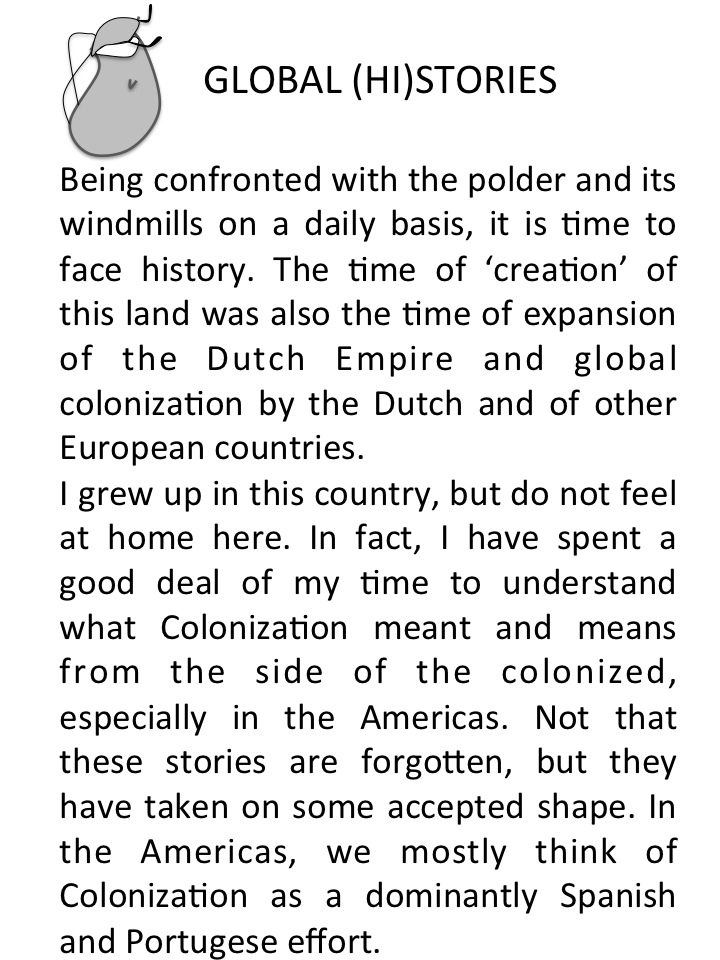
It is time for me to delve deeper in the polder mentality…


Slide007

Slide008

Slide009

Slide010

Slide011

Slide007

Maybe I feel this way because I am putting of my long run in the polder for a few days, my calves felt a little tight, and since my goal is to keep running and not run myself into the ground, I thought it be wiser to stick to regular daily doses. This morning however everything was running smoothly, taking some soggy pasture paths for variation.

Dia1

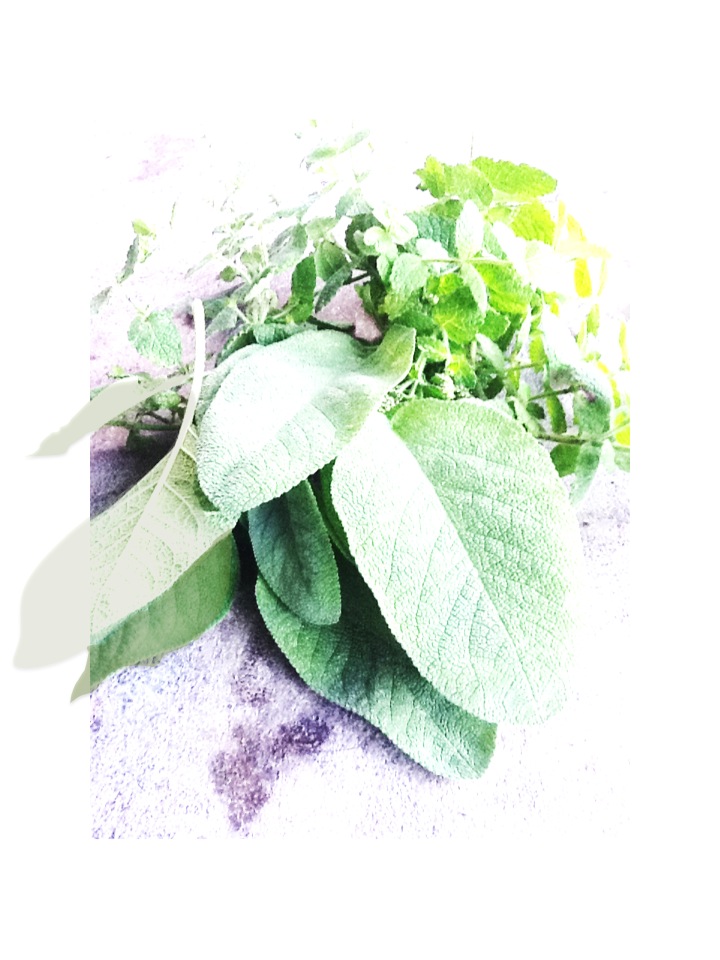
Stop every now and then to take your share of wild vegetables. I am also feasting on the sage in the garden. Great for making tea in support of the respiratory system!

Slide008

Slide007

Slide009

Slide010

To learn about mills in the Netherlands:

http://www.molendatabase.nl/nederland/

To read some heritage recipes from even before the time of the windmills visit:

http://landentuinbouw.spinazieacademie.nl/


Slide004
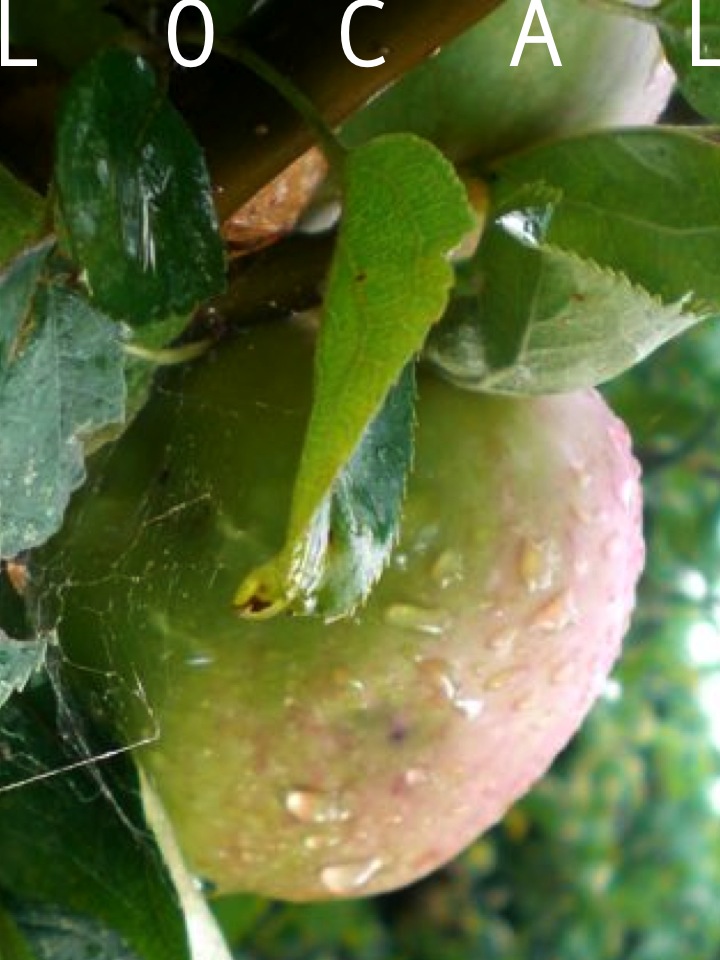
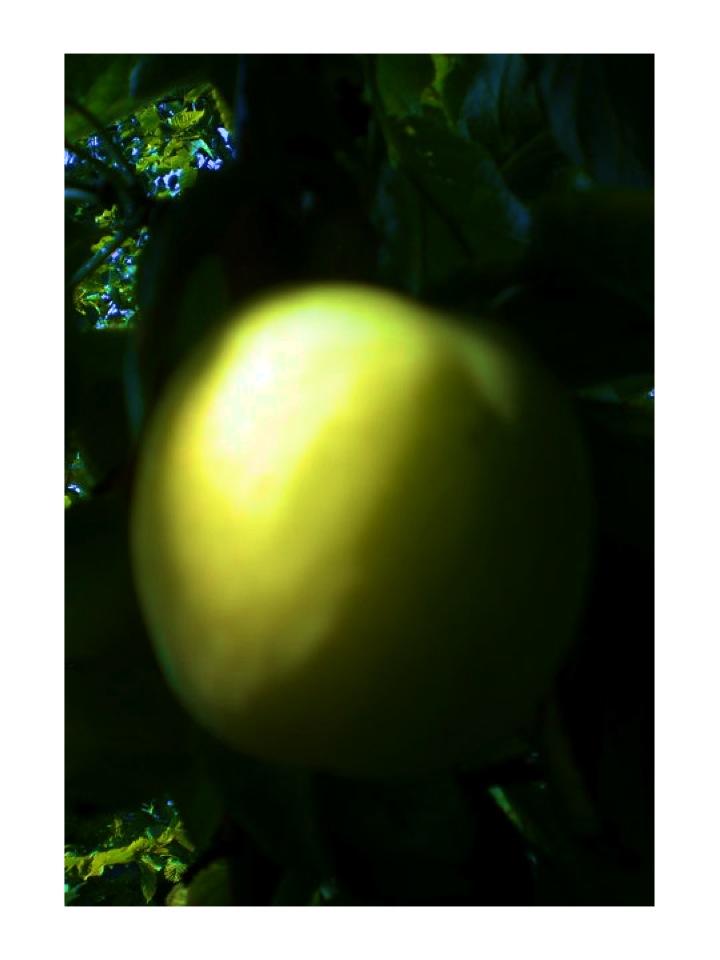
Mmmm, the fruit is the garden is ripening and is getting some color.

Slide005

Last year in Hungary, picking my daily apple from the trees.

Slide76

Long ago, we always had a crate with apples from the nearby orchards,

and could eat as many as we liked.  Now the local tree is a luxury.

Slide161

Slide75

Slide162

Slide142

Slide143

Slide144


to read about the benefits of forest bathing visit:

http://www.ncbi.nlm.nih.gov/pmc/articles/PMC2793341/


Slide158

Slide159

Slide142

Slide143

Slide144

http://www.maastrichtuniversity.nl/web/Main/Research/ResearchUM/FirsteverPublicTastingOfLabgrownCulturedBeefBurger.htm

http://waag.org/en/news/vitro-meat-cookbook-development

http://www.wageningenur.nl/en/Expertise-Services/Facilities/AlgaePARC.htm

Slide123

Slide74

http://wilde-planten.nl/

Slide141

Slide142

Slide73

Also, check out “de Keuken van het Ongewenst Dier”

http://www.wherethefoodis.nl/de-keuken-van-het-ongewenste-dier/

http://kvhod.blogspot.nl/


Slide031

Slide032

Slide033

Slide034

Slide070

Slide072

http://kokopelli-semences.fr/

http://www.europarl.europa.eu/news/en/news-room/content/20140307IPR38202/html/MEPs-reject-draft-seed-regulation

Home

http://pinto.azurewebsites.net/

Slide070

Slide071

http://www.najk.nl/uploads/media/WiewilernogboereninNederland.pdf

http://www.organic-europe.net/country-info-netherlands.html

http://www.punpunthailand.org/


Slide070

Slide071

Slide072

The fruits in the garden are not ripe yet. To get my daily dose of green for health and wellbeing, I just go for a run outside, green is not just processed through the digestive system, but also through the eyes, and other senses. http://www.ncbi.nlm.nih.gov/pmc/articles/PMC2760412/

Slide005

Slide006

Slide068

Slide069

Slide070

https://www.academia.edu/5334114/Food_scarcity_as_a_trigger_for_civil_unrest

Slide029

Slide030

Slide031

Support Runners

http://www.tierranativa.org/en/index.php

http://www.carlyleobserver.com/article/20140718/CARLYLE0101/307189990/-1/carlyle/lance-runners-honoured-as-north-american-indigenous-games-are-set-to

http://borderlinesblog.blogspot.nl/2013/06/the-tarahumara-arent-running.html


Slide029

Slide030

Slide031

Slide005

Slide006

Slide007

Slide008

Slide025

Slide026


http://edepot.wur.nl/110211

Slide025

Slide72

http://www.veluwezoom.nl/informatie/kidsengezinnen/index.php

Following the trail I run along a fantastic dune formation, where a crow is perched on a dead tree nearby. Running is such a great way to take in the sounds, smells, and sights, with heightened senses. Not only is this my perception, but it is also likely that your senses may benefit in other ways. A recent study in the Journal of Neuroscience reported that running and exercise potentially affect retinal health, in other words, running means seeing better longer. The research was discussed in an article in the New York Times, (march 26, 2014) under the title, “Exercising for Healthier Eyes.” EXERCISE YOUR SENSES can thus be done in multiple ways!

Slide025

Slide70

Slide69

Slide68

https://www.natuurmonumenten.nl/natuurgebied/de-veluwe

Slide109

Slide110

The garden is open to the public and there are plans to create a new section, growing and showing edible plants. Whether or not these plants can then be sourced on the Veluwe for the dinner plate is not clear yet.

https://www.ivn.nl/afdeling/oost-veluwezoom

Slide109

Slide111

Slide108

Slide053

Slide054

Slide055

http://med.stanford.edu/news/all-news/2012/09/little-evidence-of-health-benefits-from-organic-foods-study-finds.html.

http://www.theguardian.com/environment/2014/jul/11/organic-food-more-antioxidants-study

Slide025


Slide026

Slide051

http://www.organic-europe.net/country-info-netherlands.html

While working on farms in Europe, a common question was why Dutch produce was dominating the supermarket, especially with products that are easy to grow –bell peppers in Hungary, tomatoes in Italy– and arguably better tasting when grown locally in those countries.

Slide052

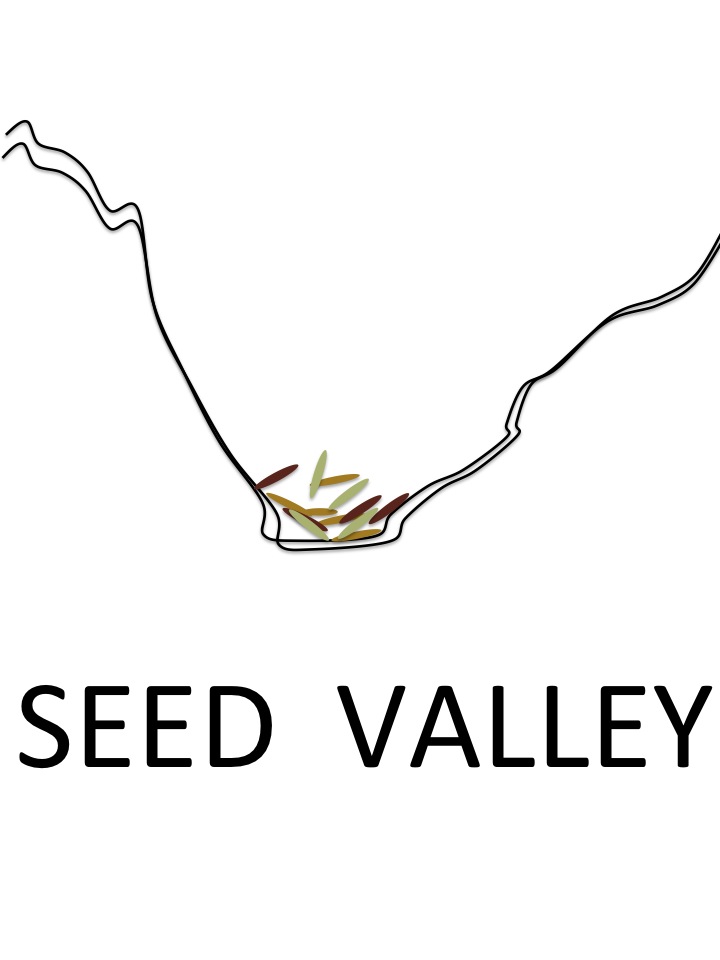
In addition to this market domination in produce, the Dutch are also specialized in seed breeding. While most people are familiar with Monsanto and problems of patenting and licensing seeds in the United States, not many know what is happening in the “SEED VALLEY.” While I consider rural heritage in the coming weeks, the role that the Dutch agricultural business plays on the European scene is worth looking into.

http://www.greenportnhn.nl/zaadveredeling-1

http://www.limagrain.nl/web/Algemeen/Bedrijf.htm

For more information  and the Dutch position, revisit Philip Howard’s graph: https://www.msu.edu/~howardp/seedindustry.html

Slide005

Slide006

In anthropology, we can use the term ‘built environment’ to indicate human intervention in the land, and this can range from ephemeral elements to large urban areas. As a concept it is useful to understand the range of landuse as an integrated whole. At the Biennale, the majority of projects are –still– focused on built environment as buildings. Only in a few cases was the larger landscape /rural region at the forefront.

Cultural heritage and preservation efforts (supported by UNESCO) have also long been dominated by large monuments and sites, but as mentioned in earlier posts, this is changing with the recognition of intangible heritage. Even the upcoming conference of the International Council of Monuments and Sites (ICOMOS), a professional association dedicated to the conservation and protection of cultural heritage places around the world, is centered on Heritage and Landscape as Human Values. http://florence2014.icomos.org/en Thinking about this is part of my upcoming writing task.

Slide005

Leaving Venice today. The visit was short and… well, nice, since cities are not my ‘natural habitat’. Venice of course is an incredible city, founded in the 5th century it became one of the greatest capitals of the medieval world, now enlisted on the UNESCO world heritage list of sites and monuments. http://whc.unesco.org/en/list/394. It is under threat, as it is well-known that Venice is sinking, the anthropogenic causes (ground water pumping) have been addressed but natural causes are still at play ,http://www.nature.com/srep/2013/130926/srep02710/full/srep02710.html.

Then there is something else. My host lives and works in the center, near Rialto bridge and has a long family history in the city, but these days he feels he is living in a Disney world, in a city frozen in time. Even the Biennale events to him feel more like amusement spectacles than serious art fairs they intended to be…

Slide022

Slide65

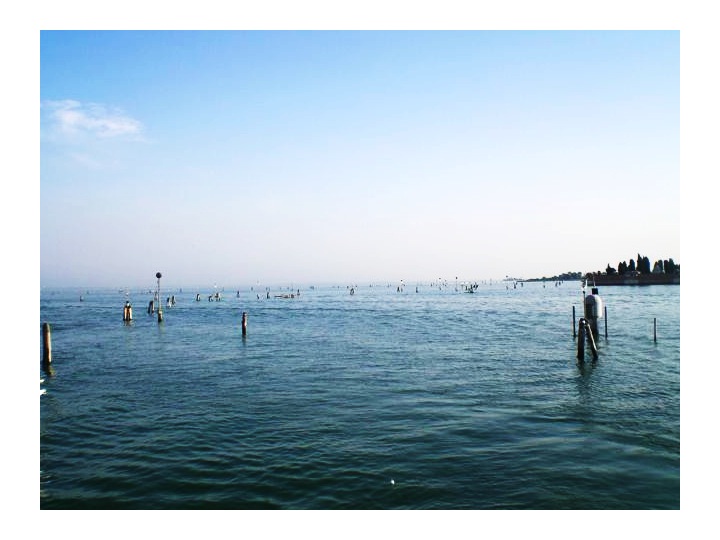
Today I have time for a moderate run (2hrs), and explore the labyrinth that is Venice, configured by the flow of its water. As usual, I don’t take any orienteering devices, but a paper map. Venice is nice city to get lost, eventually you will get to the edge, and while ‘running wild’, it is easy to see lesser-known parts of Venice. Running around, I’m contributing to the flow.

Slide66

and the well-known, but different time..

Slide023

Slide64

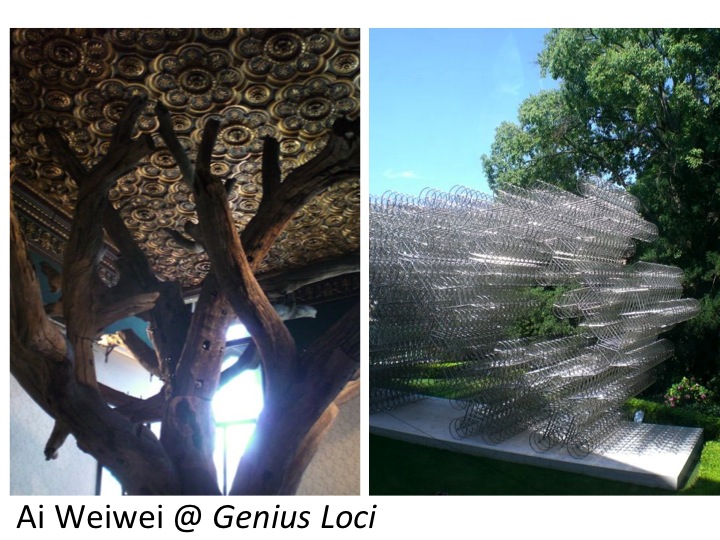
The rest of the day, I get into the spirit of place (also literally: Genius Loci (Spirit of Place) exhibition at Palazzo Franchetti.)

Slide67


Slide005

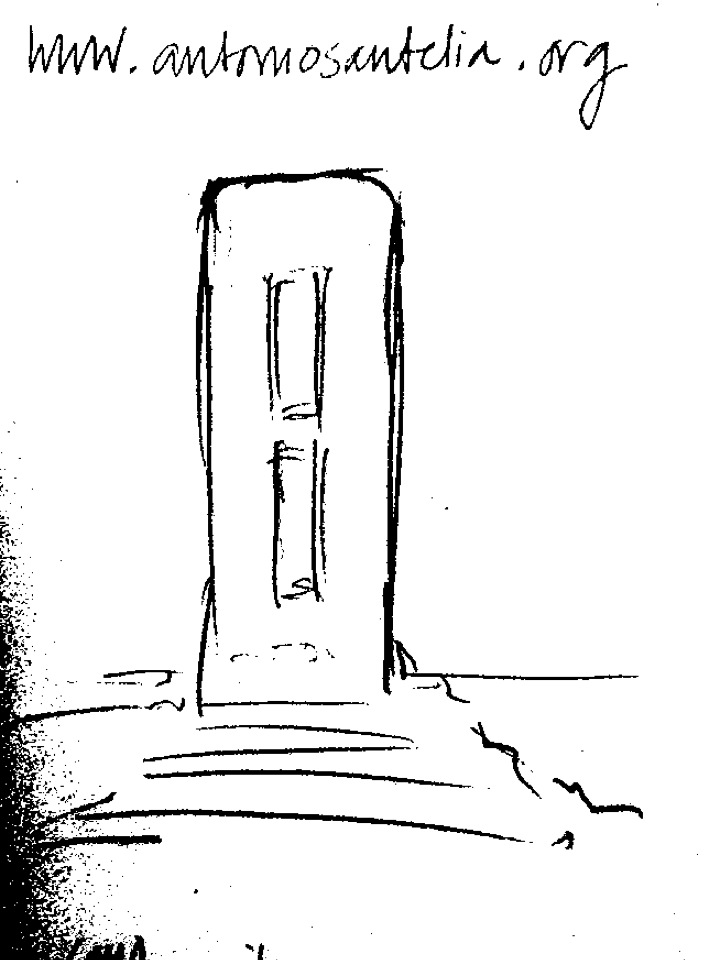
Before I came to Venice I thought about Modernity and about the new museum I visited in Como recently dedicated to the works of Sant’Elia, who was the star architect of the Futurist Movement. I always loved his drawings, yet glad that the Futurists’ plans for new cities were not realized. I was therefore surprised that in Como there is an impressive – lakseside– war monument designed by Sant’Elia. He died in La Grande Guerra, as the first world war is referred to, especially in Northern Italy, and many war ruins near Trento remind of the fierce battles that took place over the Austrian- Italian border. http://antoniosantelia.org/

Slide006

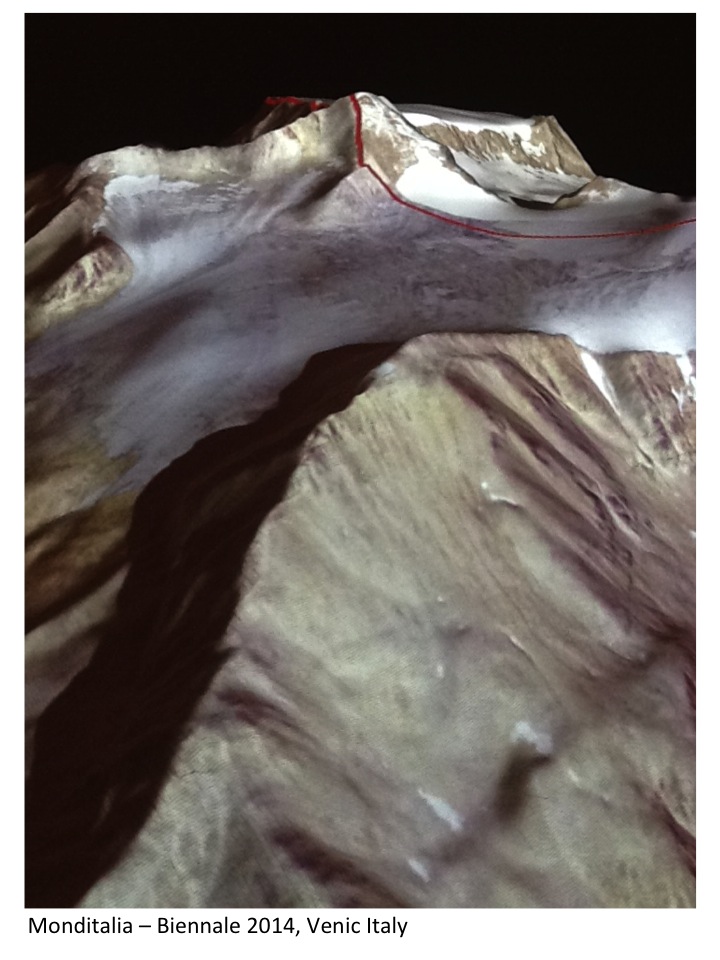
Yesterday, I visited the Arsenale, one of two main venues of the Biennale, which this year is dominated by monditalia, a scan. Taking Italy as a ‘fundamental’ country this exhibition shows 41 architectural case studies of young architects and researchers, spread over the Italian continent, organized geographically from south to north. The Alps are last. The study investigated the mapping of the border across the Alps, and especially its difficulties. These days satellite technologies make mapping easier, however, new challenges arise. The melting of the glaciers make that the surface of the earth across the Alps is changing at rapid rates. Borders have to be newly negotiated.

Slide007

Slide005

Slide006

Today I travel to Venice, not to farm, but to visit the Architecture Biennale. My interest in architecture is easily explained, as it is the means by which humans organize and mediate space, influencing and/or determining ecological, socio-economic relationships, but I also ENJOY the creative tangible expression of spatial ideas.

More to come…

http://www.labiennale.org/it/architettura/

Slide020

Slide019

Maybe to be expected, but not selected on purpose, the farms I have worked at so far have mostly been run or led by women. In Japan (Okinawa) for instance, the network of farming women is characterized by a sharing of labor, products, produce and socializing. In Italy, it is a little different but the solidarity principle is underpinning a large organization of “Donne in Campo.” (www.donneincampo.it)

The work done by all these women is crucial for future food security (see report “Smallholders, food security, and the environment” IFAD, UNEP 2013). Yet, farmers and women are described by Raj Patel in his book “The Value of Nothing” as two groups whose work is in general the least valued in our current economic system.

http://rajpatel.org/

SUPPORT SUSTAINABILITY – FORWARD – FARMERS / FEMALES

landscape

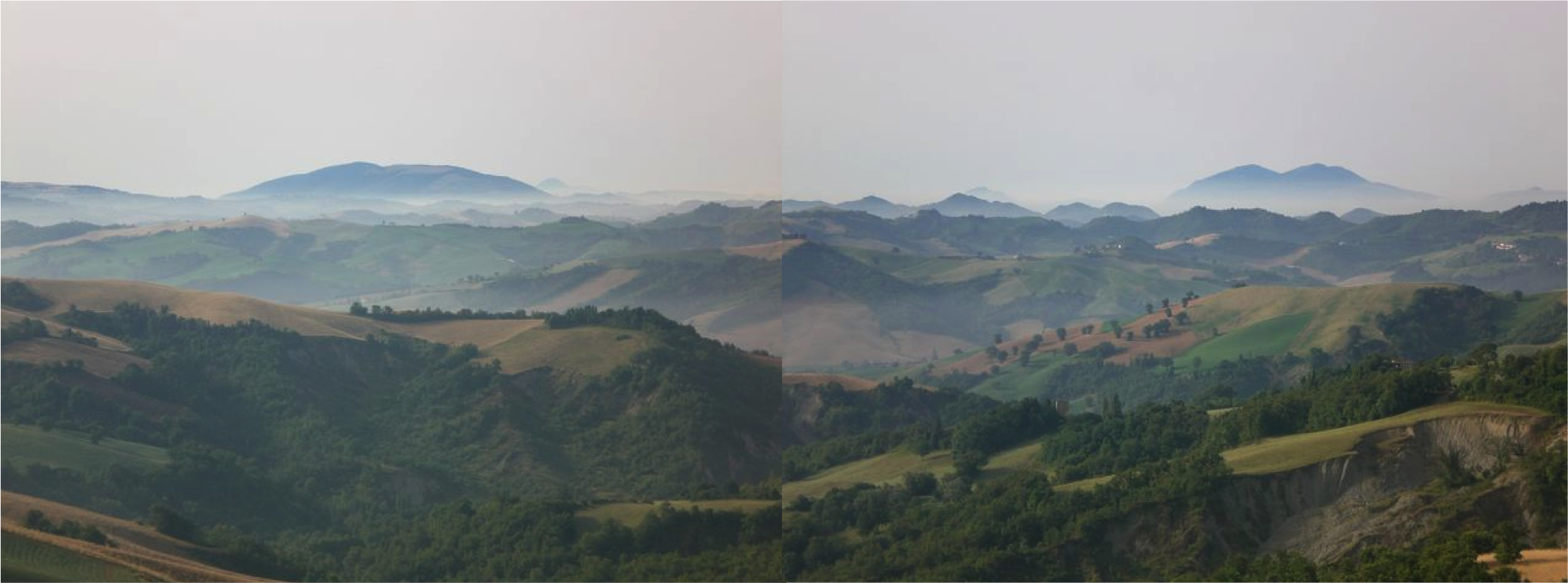
P.S. incredible view on my run this morning…

Slide095

Slide096

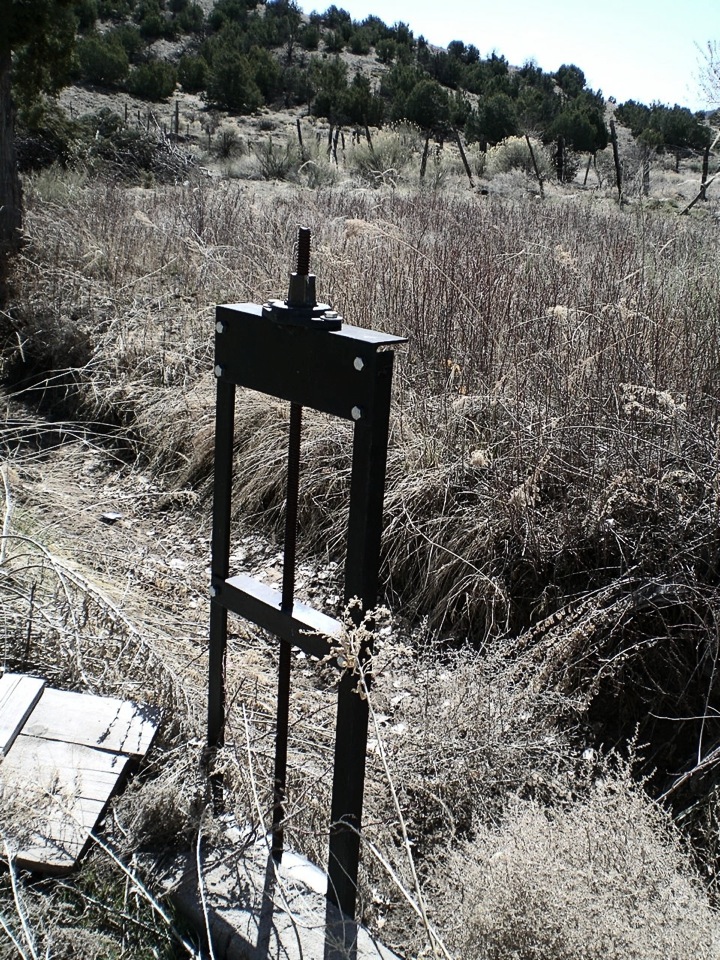
The Commons as a general concept can be difficult to understand, as it is not easily defined. David Bollier describes it as “durable, dynamic sets of social relationships for managing resources – all sorts of resources: digital, urban, natural, indigenous, rural, cultural, scientific…” An important characteristic of the commons is that there is no commons without communing, and this, as Bollier explains, is what sets it apart from a public good. In case of the acequia community, the parciantes are the commoners.

To read a short overview WHAT IS THE COMMONS and why it is important:

http://bollier.org/commons-short-and-sweet

In this overview, Bollier further states that the enclosure of the commons is one of the great unacknowledged problems of our time. This refers to many resources that are increasingly being commodified and commercialized, from classic small-scale commons focused on natural resources, to –recent– digital networks/information, and privatization of water on large scale.


Slide039

Slide040

In a western worldview, relationships are often defined as a dichotomy, and so it seems to be with the relationship between forest and field. The traditional Japanese relationship with nature, similar to those of many indigenous cultures around the world, contrasts with the western attitude toward nature that emphasizes opposite interests. Farmers want to cut the forest to create more fields for instance, as they often need more land to stay economically competitive. Treating both forest and field as one system that is going to provide our healthy future food supply may be a better starting point for rural management.

Slide041

For some reading on the status of our trees:

The Man Who Planted Trees: Lost Groves, Champion Trees, and an Urgent Plan to Save the Planet, by Jim Robbins

Slide087

In this part of the Marche region (Montefeltro), wheat is the dominant grown crop and the clay soil is not particularly suited for growing anything else. But, as a friend of Silvia, who is an expert in medicinal plants, told me, parts of the region are excellent sources for wild flowers and medicinal plants.

http://eusoils.jrc.ec.europa.eu/esdb_archive/eusoils_docs/other/eur24131.pdf – page 5

Slide62

During my travels I notice that many edible wild flowers and plants are widespread globally, but there are cultural differences in the selection of these, both for food and medicinal purposes, and this may also have to do with the variation in flavor in the diet (see post June 23). One man’s weed is another man’s vegetable…

Slide040Slide041

Slide042Slide043

Slide005

Innovation in building material and design practice has transformed architecture. One of my favorites are the liminal spaces designed and initiated by Philip Beesley (http://www.philipbeesleyarchitect.com/) in which the human presence performs a participatory role in creating the space, building with a new kind of material and method. Farm houses on the other hand remain very traditional, but much of the old building material is very strong and can be recycled/re-used, which is in fact very NOW

Slide008

Slide61

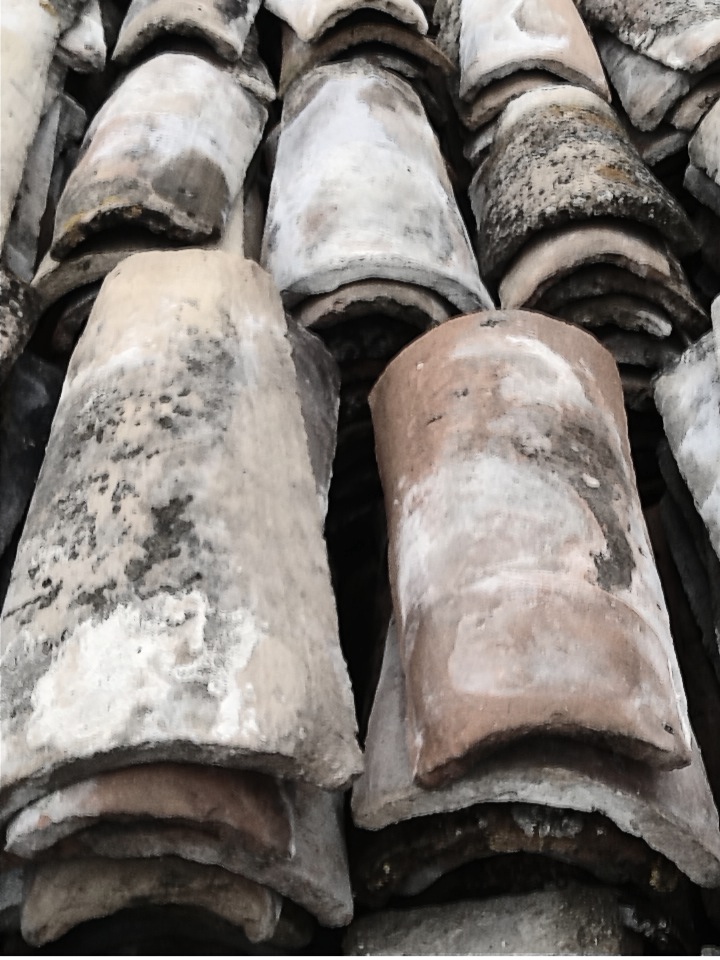
The roof is replaced, and now I organize and order all the -centuries’ old- terra cotta roof tiles. They are beautiful, but will not be replaced on the roof, probably be sold. Then there is all the salvaged wood. An ancient building material that can be used in many different ways: light and heavy, traditional and avant-garde. I love the tree and the wood.

Slide007Slide59


For some inspiration on the use of wood in architecture:

https://www.japlusu.com/news/remarkable-japanese-timber-structures

Slide13Slide14

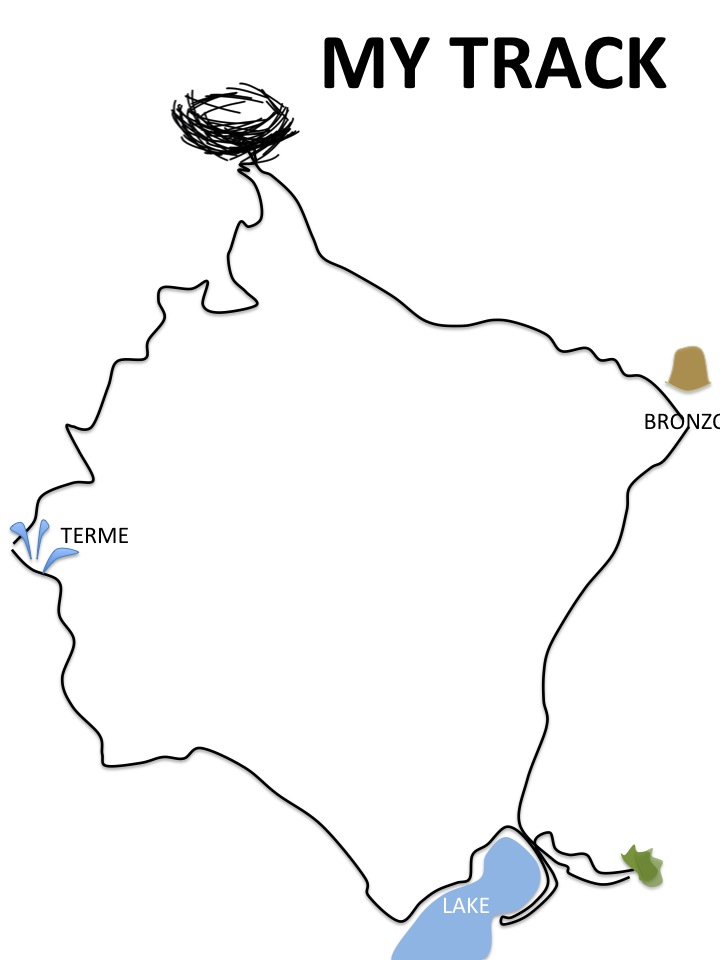
My running objective today is to go to Macerata Feltria to visit the Pitinum Thermae, getting in ‘touch’ with the local water sources. The name of both the town and the Terme refer to its Roman past. The Terme in Macerate Feltria takes its water from the natural sulfur spring.

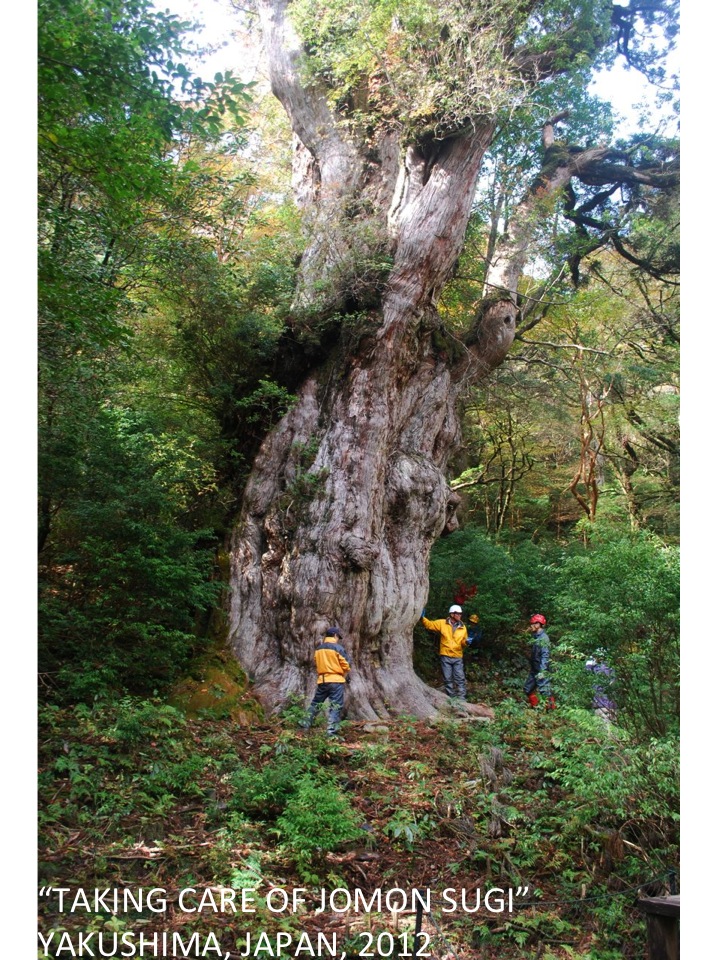
In general, I love public baths, especially when build around a natural water source or completely in natural setting. My favorites so far include Jemez springs, New Mexico, kulttuurisauna in Helsinki, where you plunge in the Baltic Sea to cool off, and the tidal hot springs of Yakushima that are incredible!

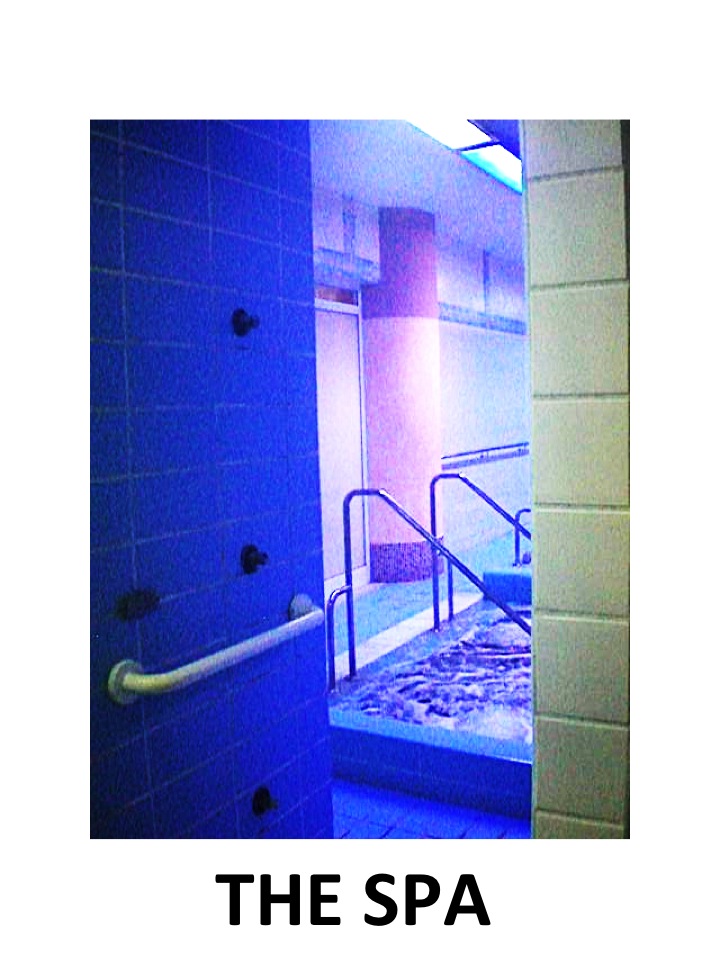
I pack my things and am ready to go. Silvia told me it is about 8km, but It includes running up the next high hill and I hope I can run back after bathing. I underestimate myself. It takes me less than 45 minutes to get there and I spent about the same time in the pools. One is a hot sulfur Jacuzzi, and the other a cooler herbal ‘bubble’ bath for the legs. It is interesting that in mainland Europe many of these baths are frequented by older or injured people, as part of the health system. I enjoy the hot sulfur, and the old ladies, and finish my time with some herbal water to invigorate the legs.

Slide15

It is still early, I have a coffee and decide to run to the next body of water, the artificial lake of Mercatale (Lago di Mercatale), where I hope to have my lunch break, an maybe another dip. I cross the dam and get on the unpaved road along the lake, but there is no place to reach the lake. The boat dock/recreation area is still under construction. Lunch will have to be up in Sassocovare. I climb up, have another coffee, my banana, some frutta secca and enjoy the view from a park bench under a tree, overlooking the lake.

Slide16

Time to return, I follow the valley road to Bronzo and run back to ‘my hill.” It is hot and finish my water.

Slide80

Slide79

The connection between interior (architecture) and exterior (landscape) is something that is central in my own work, understanding differences in spatial experience and design in different cultures, and builds on the work of Tadahiko Higuchi, a researcher/spatial scientist –also- from Japan, He published a book on visual and spatial experience of the landscape in 1983, but more than that, his research also provides insight in the different role that architecture plays in Japan in this dynamic relationship, where the walls are not meant to exclude the outside.

Slide57

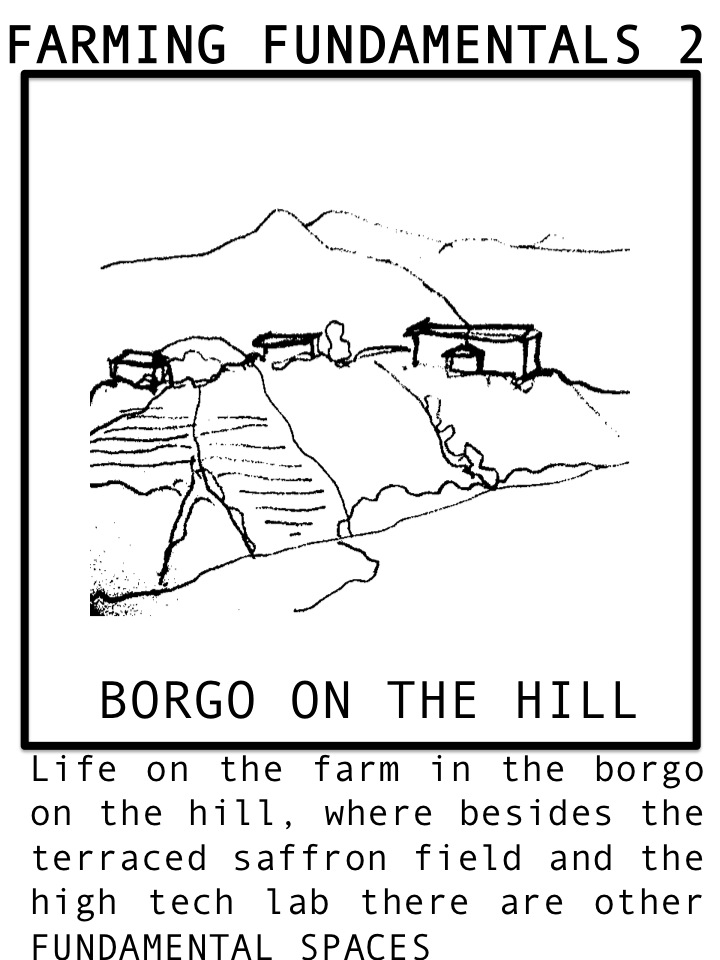
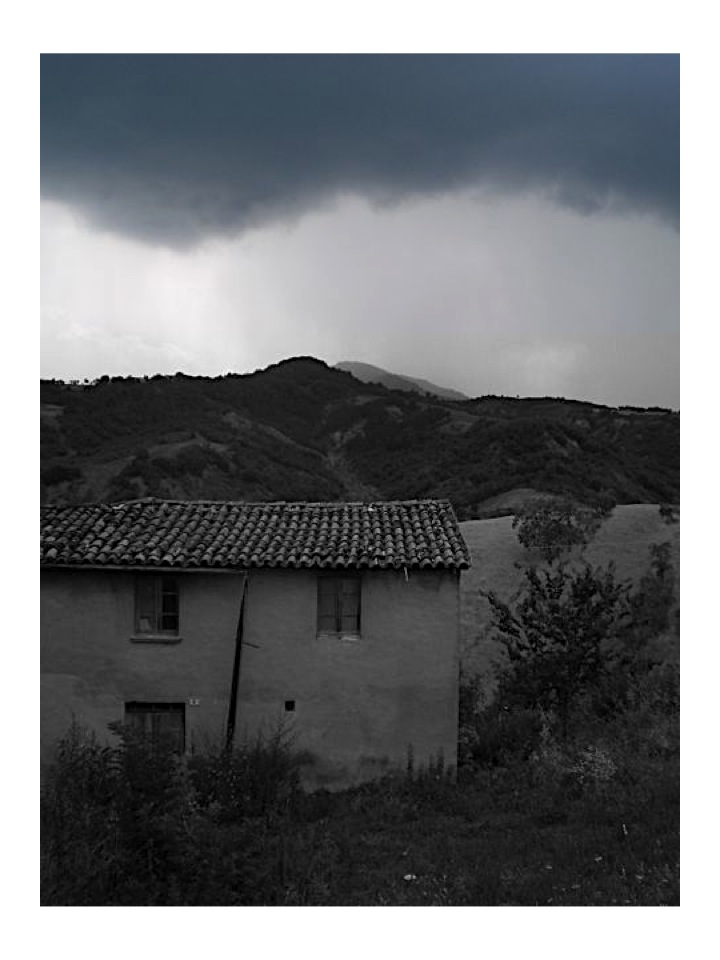
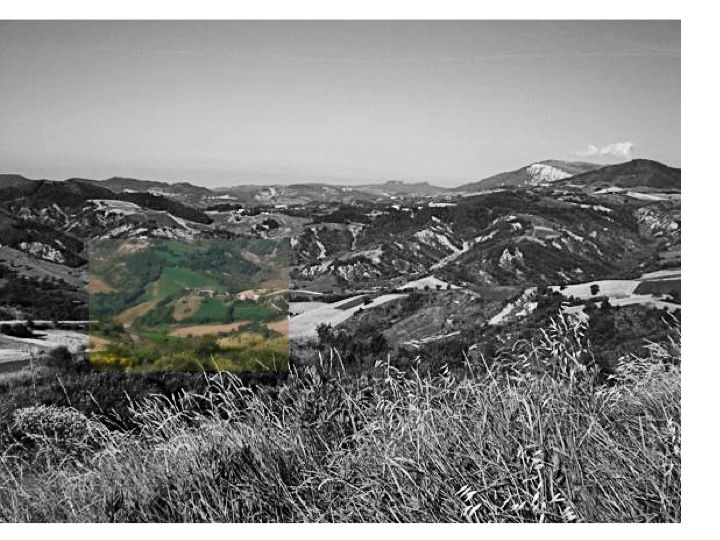
I am on a hill. The hill is steep. At first I thought it was like any hill, but running around I noticed that this hill is a bit lower than, and protected by the surrounding hills, creating an interesting microclimate. The farmhouse is typical in the region, with thick stone walls and relatively small windows. From inside it is difficult to maintain the (visual) connection with the surrounding landscape. Luckily, I am outside large part of the day, and I am reminded of the stories of Shono and lessons of Higuchi.

Slide56

Slide54

Slide55

Slide56

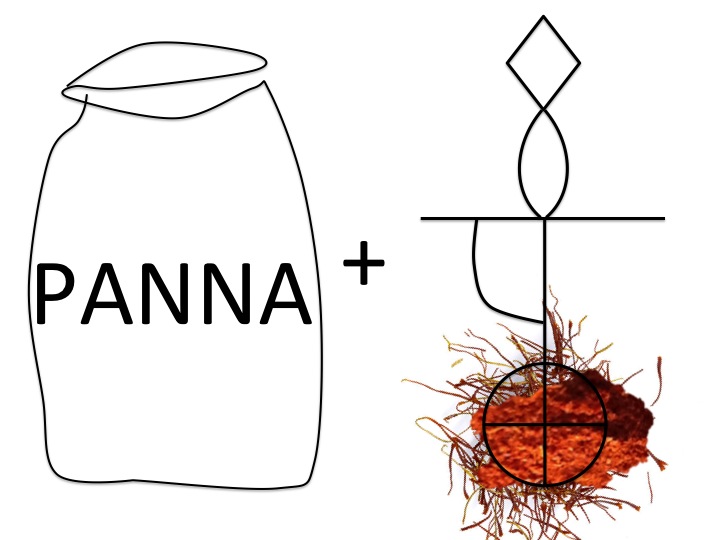
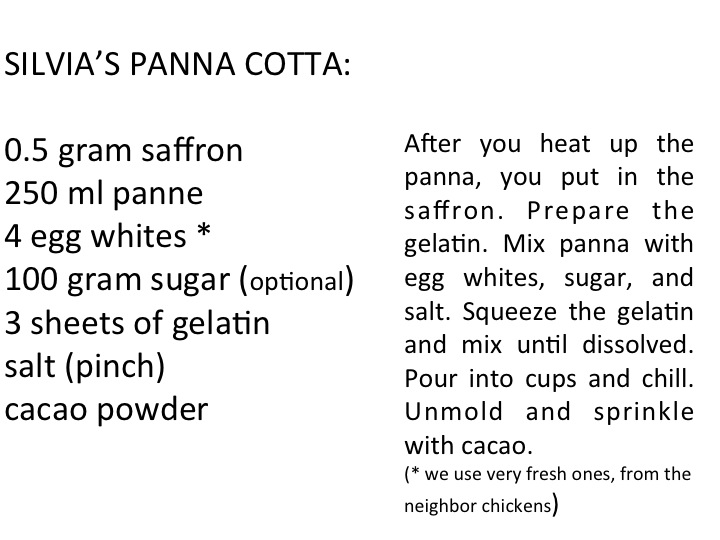
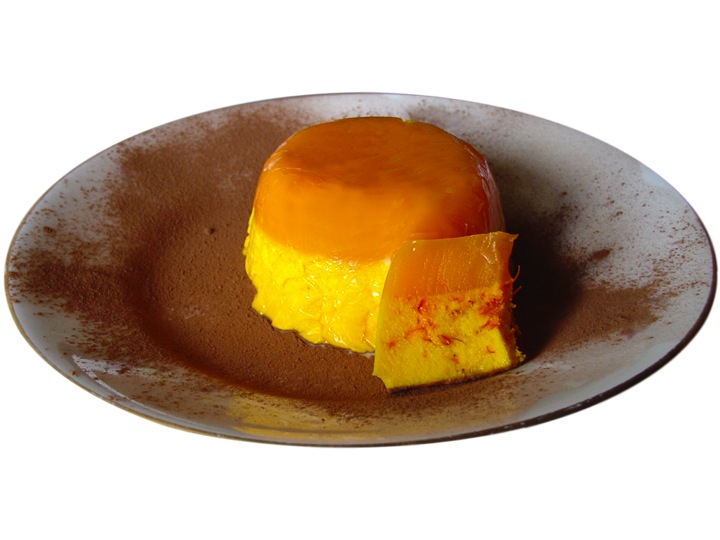
Image from Zafferano Montefeltro. For more of Silvia’s saffron recipes:

http://zafferanomontefeltro.com/page.php?site=consumer&product=16


see also:

http://www.davidlebovitz.com/2009/04/perfect-panna-cotta/

http://www.ilariasperfectrecipes.com/authentic-gelatin-free-panna-cotta-best-perfect-italian/

Slide31

Slide32

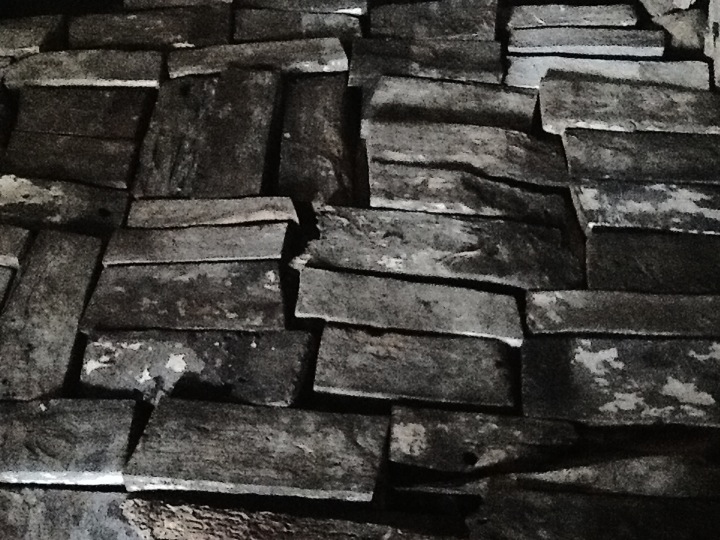
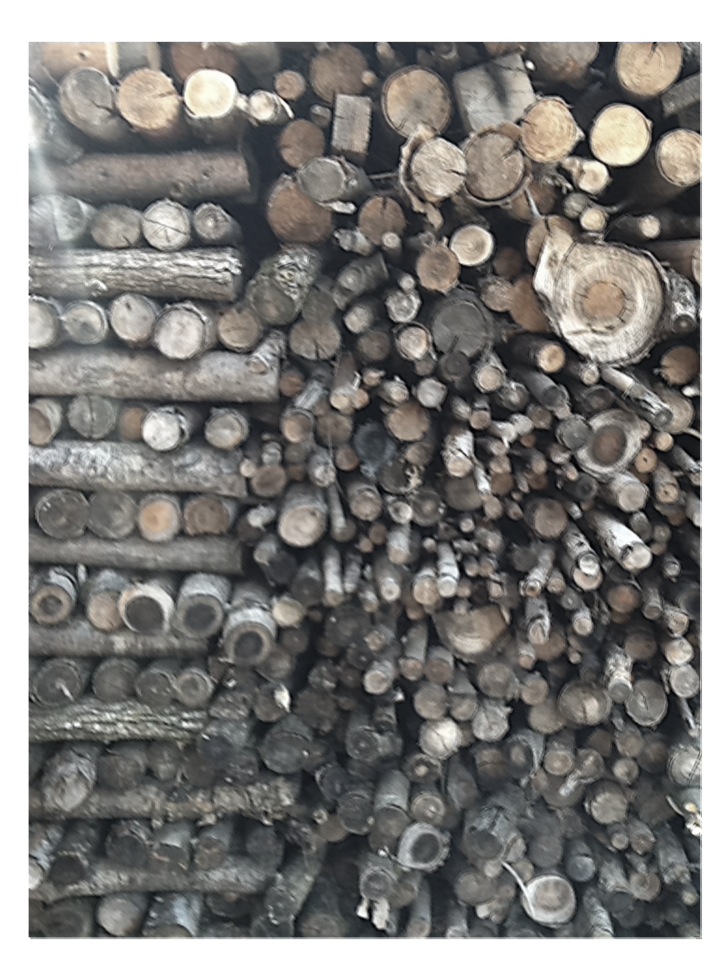
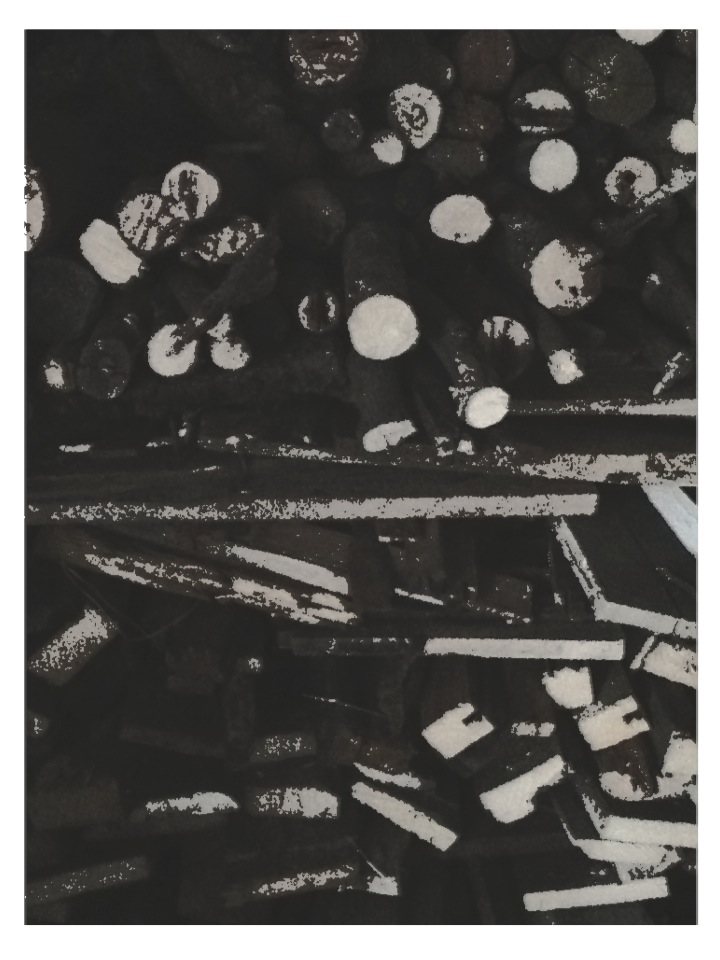
When stacking wood, the challenge is to optimize space, often resulting in beautiful geometric patterns. The particular challenge for me is that the cut wood is a mix of salvaged wood, large and small tree trunks and branches, different in many ways. With ‘statistical precision’ I sort by size and shape, not by type of wood.

Slide33

THEN there is another challenge: Zanzara. The little mosquitos or gnats are everywhere and they like me, a lot. I am covered with bites. They don’t deserve their fantastic sounding name, but for me it is time to change the dress style and go farming Asian mode, no more exposed skin.

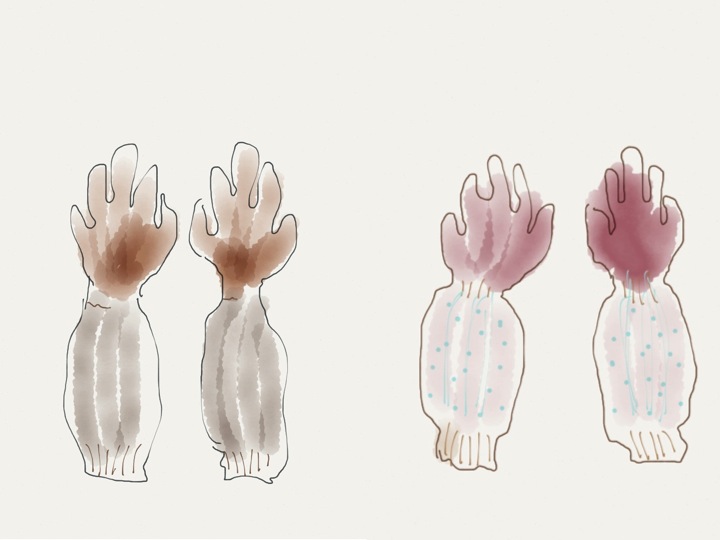
I tie my Indian scarf/towel over my face under my hat so that only my eyes are visible. The weak point is the transition between long sleeve and glove; when I reach to stack, part of my wrist is exposed. I wish I had the Japanese gloves or arm covers with me, fantastic in the field and in fashion.

Slide53


Slide76

Slide75

Now a national monument, the Fortress, with its curvilinear walls, and almost round shape represents an ‘architecture of transition’, was created for a new form of warfare using bombards. The fort became also known through rescue operation during WWII, saving about 10.000 artworks from the Marche region, Rome, Venice, and Milan, from the hands of the enemy.

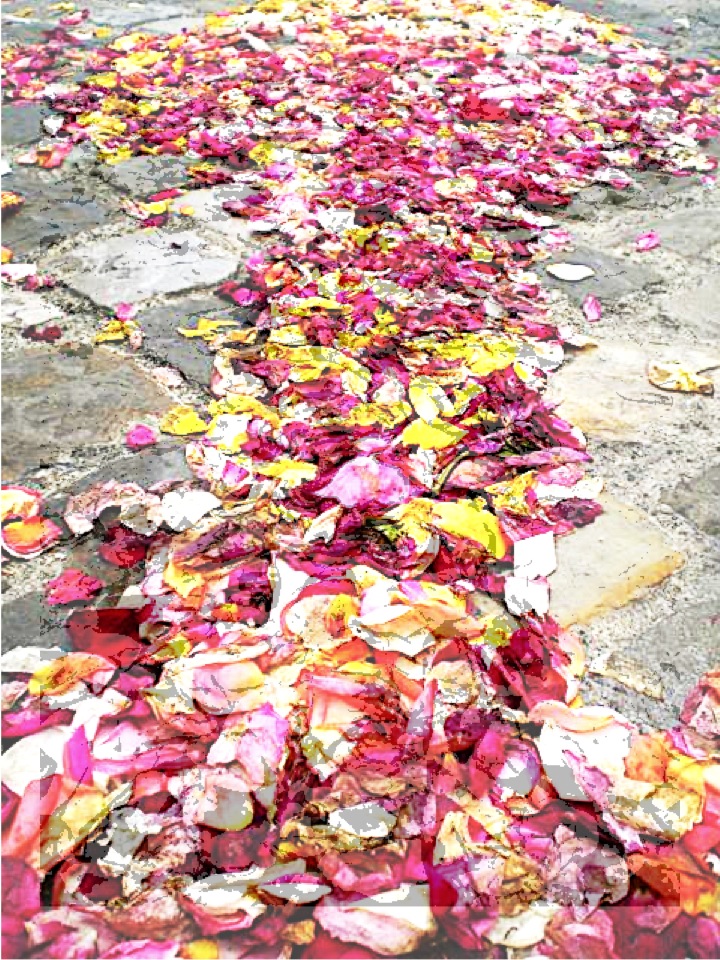
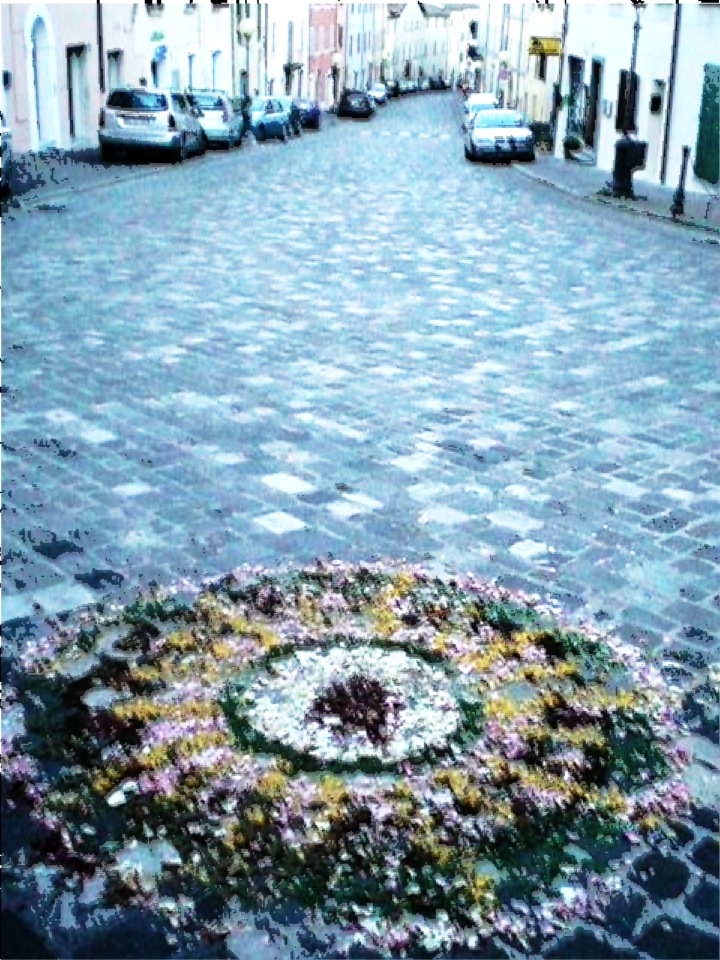
While walking around we noticed the –material– remnants of the procession related to the celebration of San Giovanni that had taken place earlier that day, catholic symbols on the street surface, created with thousands of flower petals, a tradition known as infiorate.

Slide77

I was reminded of the beautiful Kolam designs in Southern India and was curious of any of these ephemeral paintings were enlisted on the UNESCO intangible heritage list. It appears that the Kolam tradition was proposed, but not selected in 2011.

This year, a UNESCO “proposal for the declaration of ephemeral art carpets as “Intangible Cultural Heritage” is presented at the V Congresso Internazionale delle Arti Effimere, on June 26-29, in Rome. Here, the events aim to revive the ancient tradition of floral decoration on the feast day of the patron saints of Rome.

http://www.vcongressoartieffimere.it/