
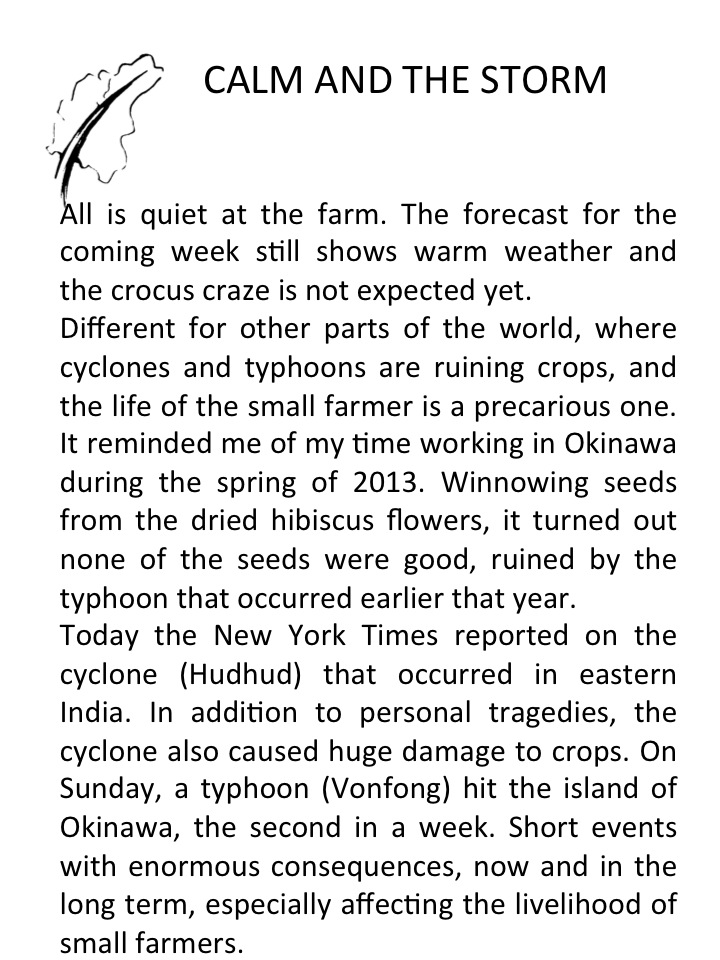
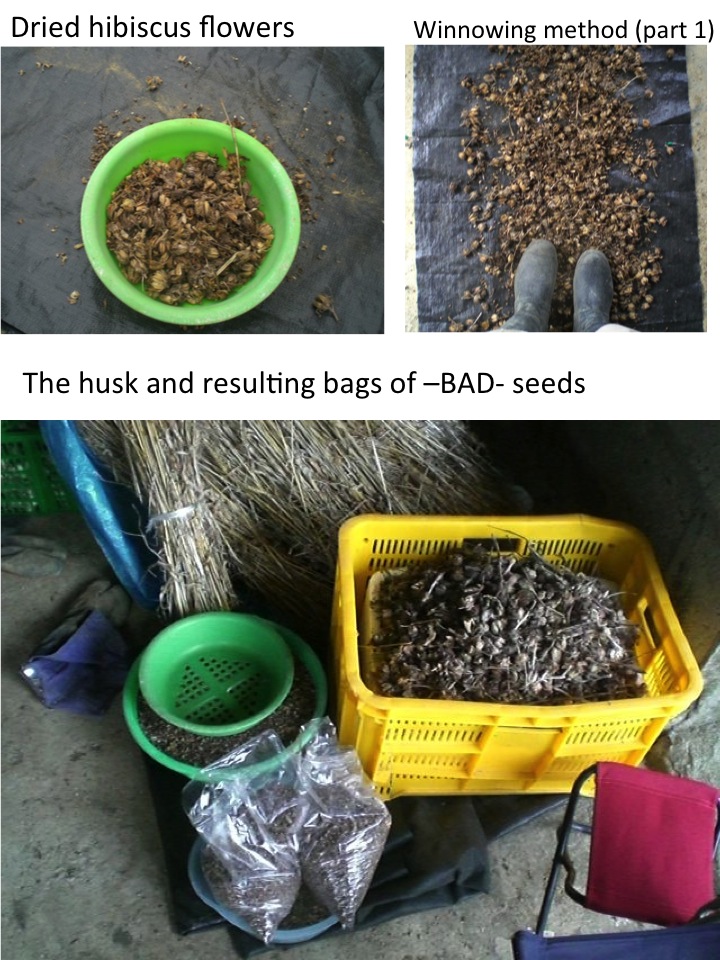
New York Times, 300,000 Evacuated as Strong Cyclone Hits Eastern India, Oct 12, 2013
SUPPORT SMALL FARMING & FARMERS!
New York Times, 300,000 Evacuated as Strong Cyclone Hits Eastern India, Oct 12, 2013
SUPPORT SMALL FARMING & FARMERS!
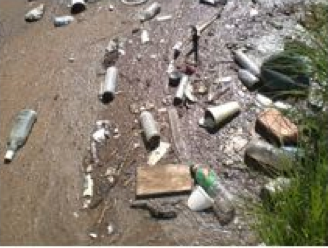
Pharma-Ecology – The Occurrence and Fate of Pharmaceuticals and Personal Care Products in the Environment, Patrick K. Jjemba, 2008.
A Rising Tide of Contaminants, New York Times, Sept.25, 2014
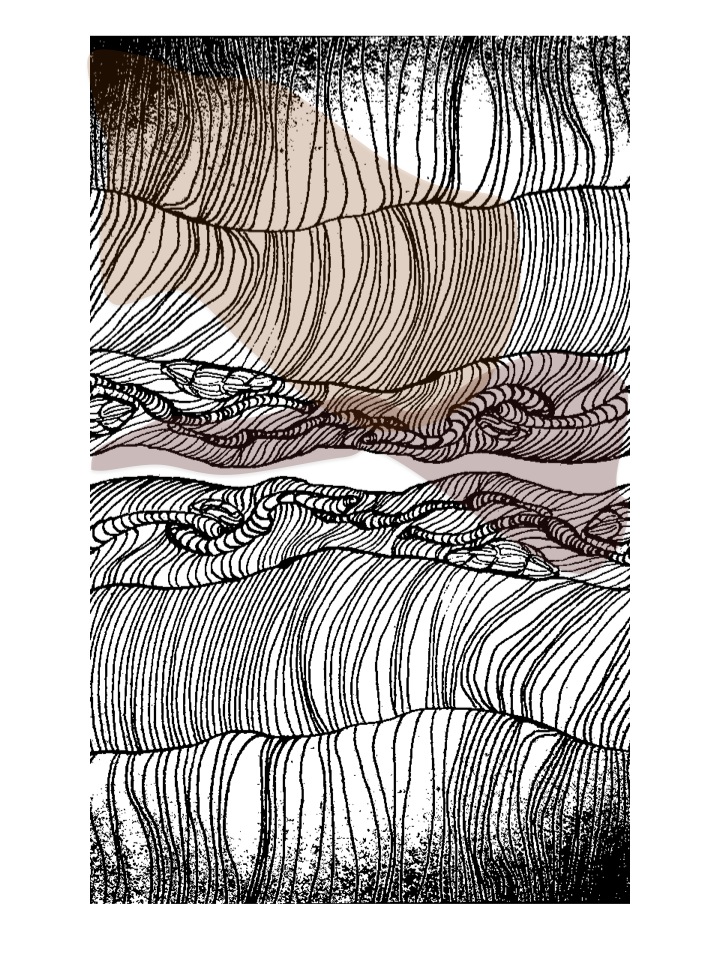
http://modernfarmer.com/2014/04/microbes-will-feed-world-real-farmers-grow-soil-crops/
https://www.waag.org/en/lab/open-wetlab
A Microscopic Issue of Unknown Consequences On Warmer Planet, Range of Soil Microbes May Change, New York Times, Sept 22, 2014
New York Times, “For Trees Under Threat, Flight May be the Best Response, Sept. 18, 2014
http://www.mediamatic.net/376204/en/innovative-citizen-mushroom-workshop
http://philross.org/#projects/mycotecture/

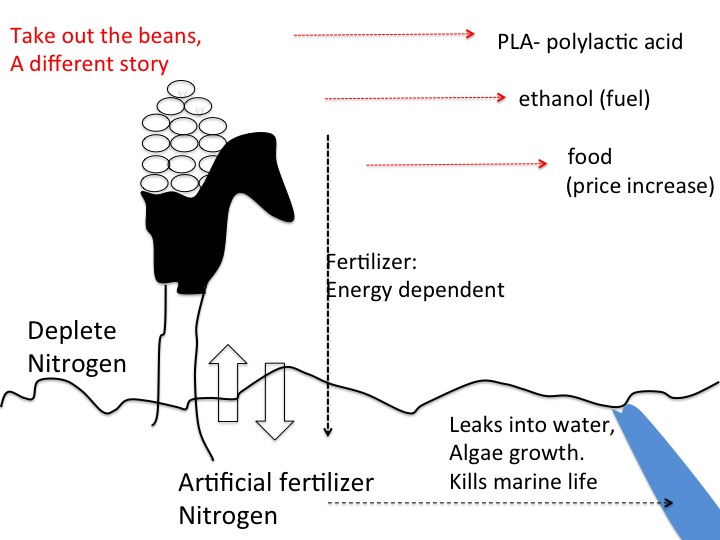
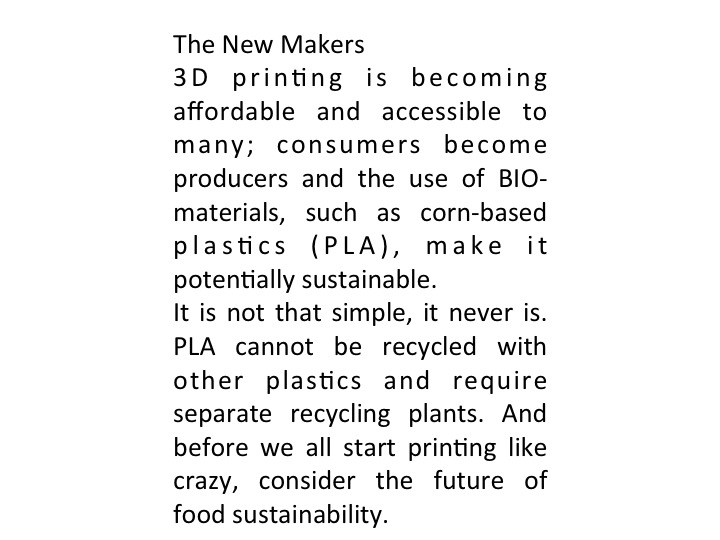
An older study, comparing production methods of different plastics:
http://www.news.pitt.edu/news/Landis_polymers_LCA
developments in recycling PLA
http://www.loopla.org/cradle/cradle.htm
Artificial fertilizers do their thing

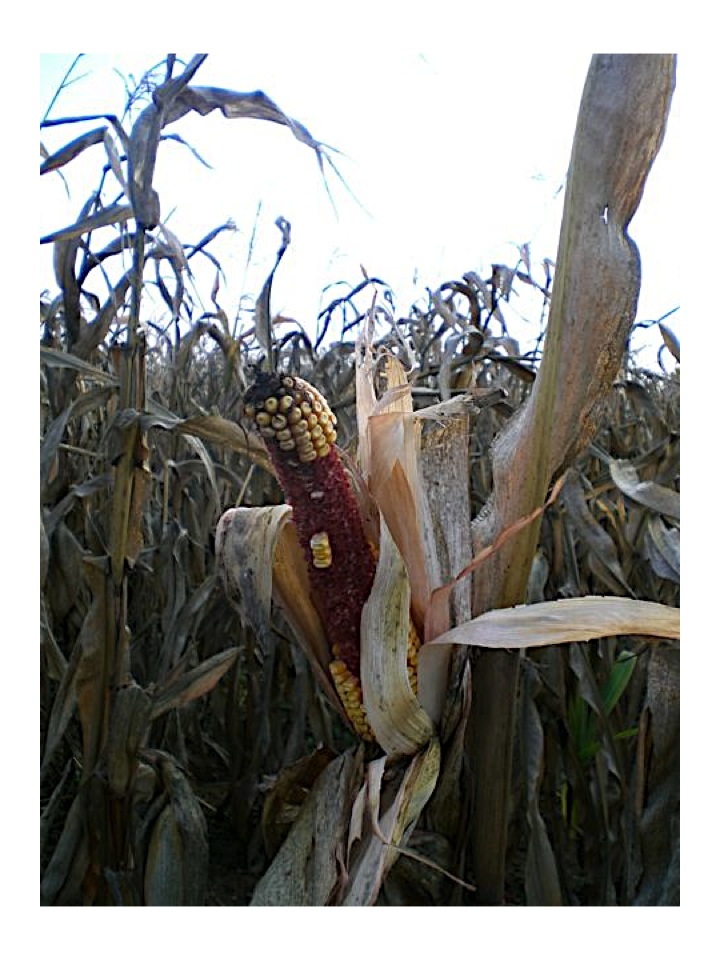
Hoekstra, A.Y. and Chapagain, A.K. (2008) Globalization of water: Sharing the planet’s freshwater resources, Blackwell Publishing, Oxford, UK.
http://www.waterfootprint.org/Reports/Hoekstra-2008-WaterfootprintFood.pdf
A foggy morning run. Under these atmospheric conditions suddenly you can see how everything is knitted together and sound waves traveling close to the ground enhance this connectedness.

A very different scene than the one I visit later in the day at Mediamatic in Amsterdam. Bio-me is a three-day event functioning as a bio-cultural lab, in which artists, designers, engineers, scientists, farmers, chefs, and public explore and sample bio-based material.
http://www.mediamatic.net/search/374891/en

New York Times, September 17, 2014 “Sit Less, Live Longer?”


to access NYT articles, follow me on twitter, bottom of the page
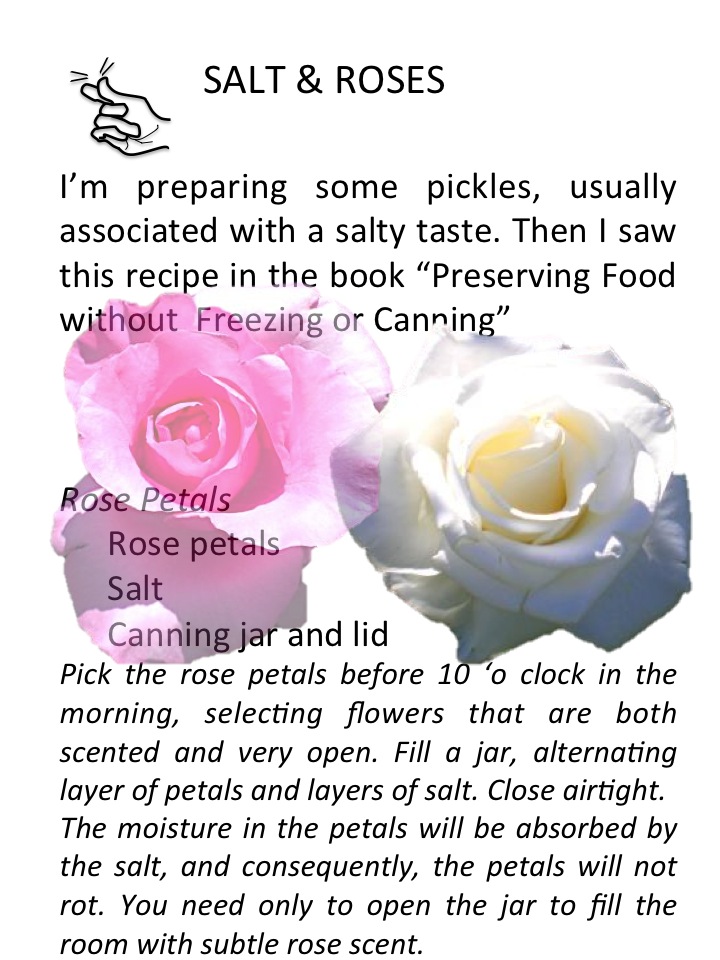
Preserving Food Without Freezing or Canning, 1999, The Gardeners and Farmers of Terre Vivante
A book that also influenced my thinking on this topic:
Eric Wolf, Europe and the People without History, (1982)

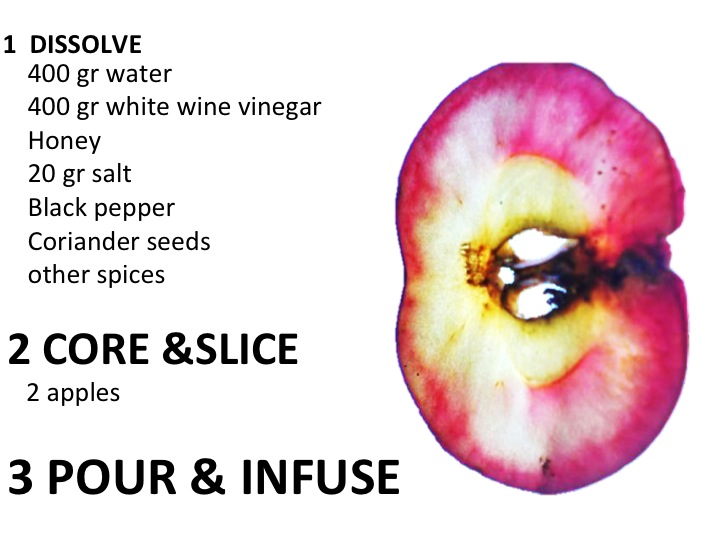
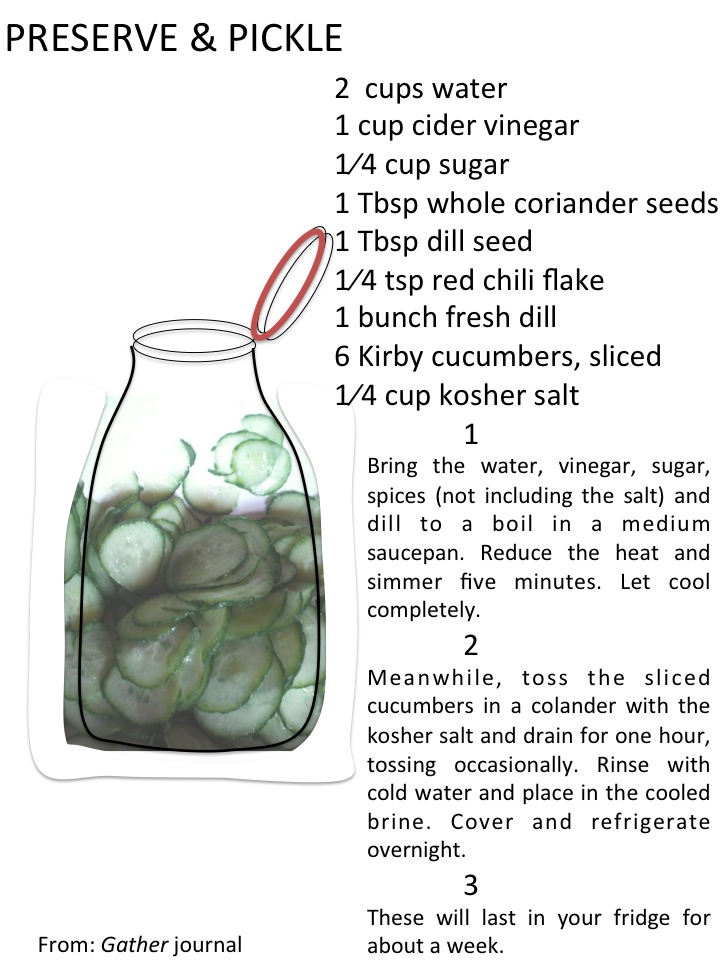
for some recipes:
for information of ditch bank diversity:
https://openaccess.leidenuniv.nl/bitstream/handle/1887/4336/Chapter%20%206.pdf?sequence=19
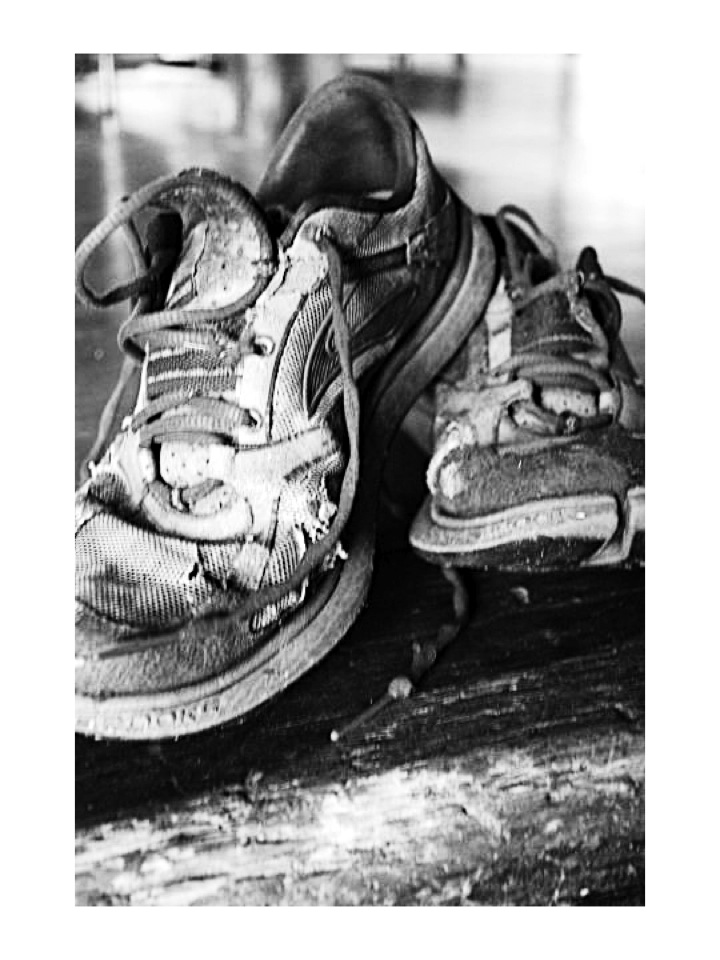
At some points in your life your larger concern confluences with your personal situation. Metaphorically, I have lost ground beneath my feet, sure, I run everyday on different grounds around the globe to stay connected, and running induces feelings of lightness and freedom. In other words, it feels good to realize that you really don’t need much to stay healthy and happy and that minimizing your ecological footprint supports your larger concerns for sustaining human life on this planet. But rootlessness also begs questions.
Like some great men and women who gave up their material possessions to dedicate their lives to a social cause, I come from a privileged background. But, unlike those men and women, I lack their wisdom and focus; I have a hard time feeding my (scientific) beliefs. In this process of increasing lightness, there is also hope of attaining greater insight, especially if you can metaphorically match your situation to your cause. However, along with it is an increasing nagging question: is it just a process of emptying. Am I just becoming a depleted soul?
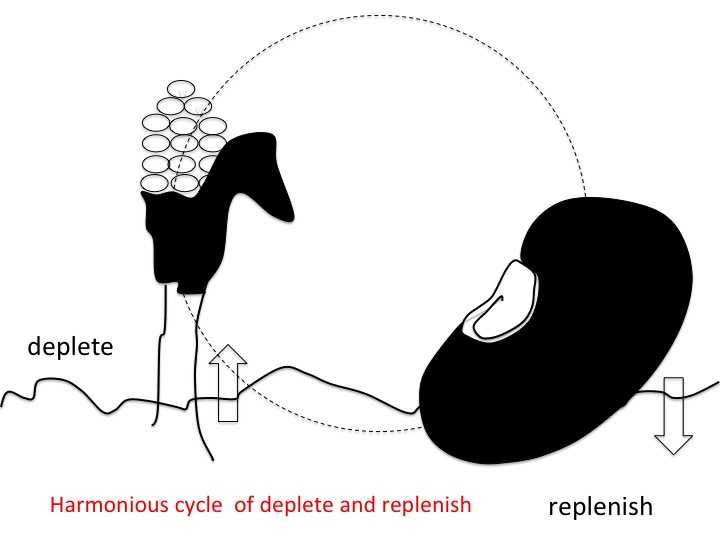
What is the route to replenishment for soils and souls?

This afternoon I went with one of the millers to the farmer who cultivates the spelt. On his farm, spelt started as marginal crop, in an effort to create a unique local product, based on collaboration between farmer, mills, and bakeries. The spelt is good, the mills are doing their work, however, the bakeries may be the weak link, according to the miller. Spelt requires a different way of making bread; it contains less gluten, and needs experimenting. The consumer so far is enthusiastic and this may be due to the potential health benefits and the fact that ‘local’ sells. It is nice to know your farmer, your miller, and your baker and their dedication to the product.
For anyone who wishes to experiment making spelt bread, here is a recipe from Pompeii,
Watch the video at:
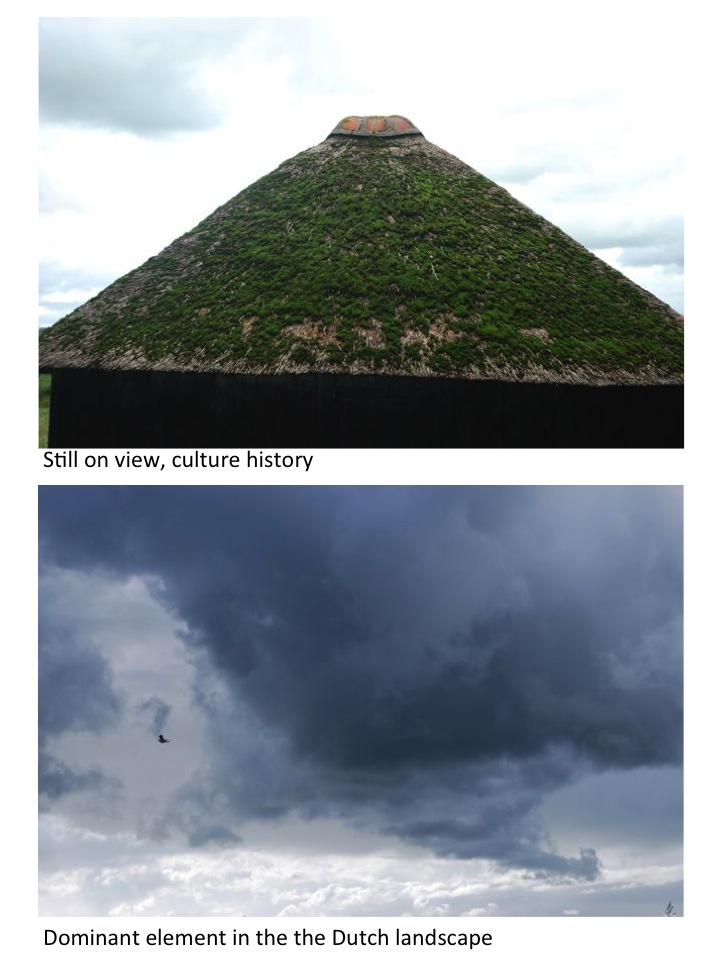
I recommend: The Cloud Collector’s Handbook, written by Gavin Pretor-Pinney, enjoyable in rural and urban settings.
http://ec.europa.eu/agriculture/events/dairy-conference-2013_en.htm
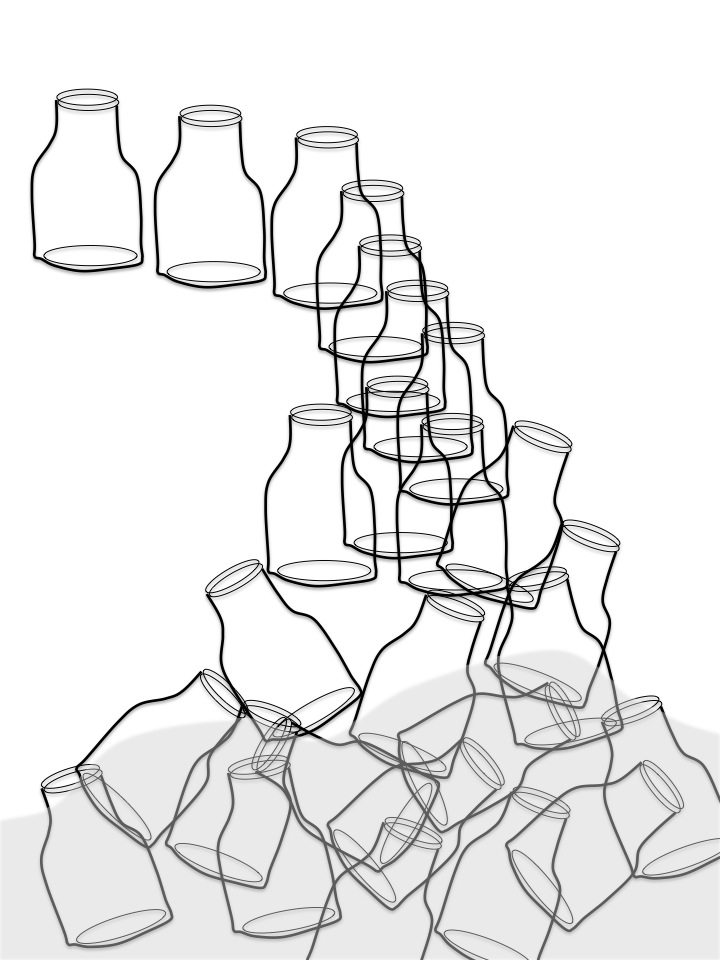
http://agritrade.cta.int/Agriculture/Commodities/Dairy/USDA-assessment-of-the-impact-of-quota-abolition-on-the-French-dairy-sector (impact of aboltion global scale)
http://www.fao.org/ag/agp/AGPC/doc/Counprof/nigeria/nigeria.htm
https://ilri.org/InfoServ/Webpub/fulldocs/South_South/Ch19.htm


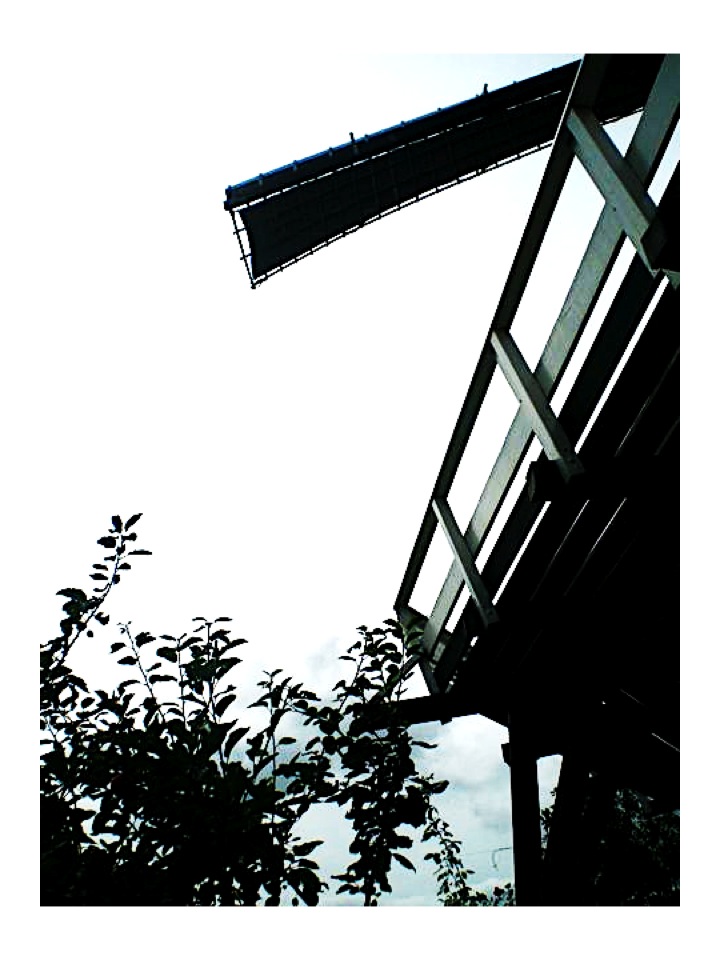
I moved into the windmill, located within the Ruige Weide polder. From this perspective I hope to gain better understanding of the Dutch planning mind and the dynamic relationships between rural and urban areas that are played out in this process. Is it about food, landscape, recreation, and/or else?
To get your feet wet, you can read about the Delta metropolis:
http://www.deltametropool.nl/nl/association
http://www.deltametropool.nl/nl/veenweidegebieden (report in Dutch)
http://www.deltametropool.nl/v1/pages/english/Deltametropolis.php
http://www.oma.eu/projects/2002/delta-metropool/
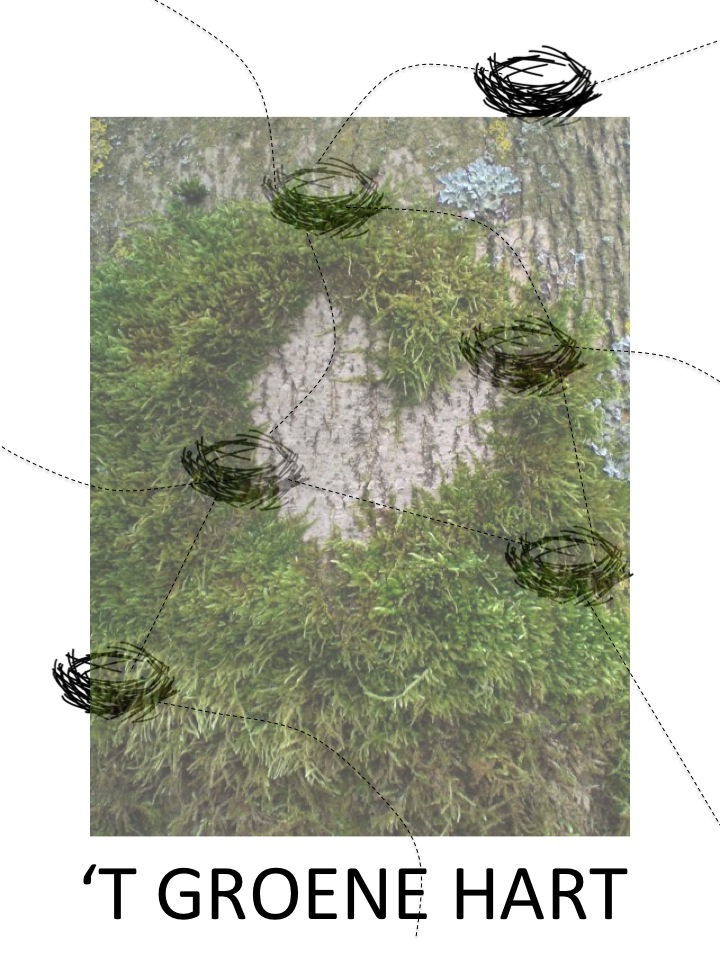
Today I move into “the green heart” of the Netherlands
http://www.groenehart.nl/over-het-groene-hart/nationaal-landschap














 Sense-ible Bag Lady